Ratass Church and Ogham Stone

Rathass Church, Ratass, Tralee, County Kerry, Ireland
1-90 Years

Description

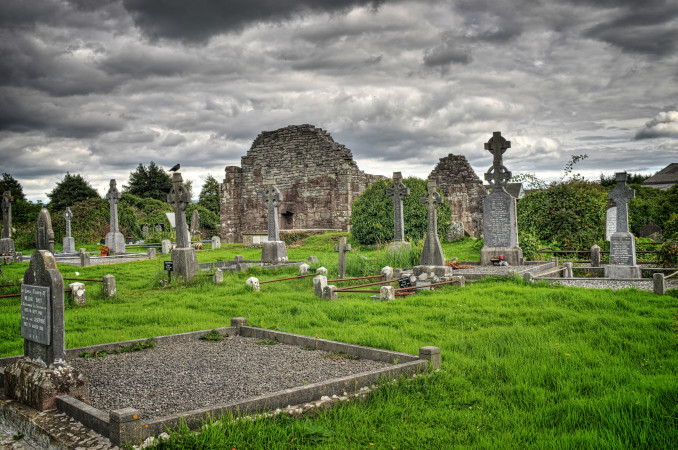
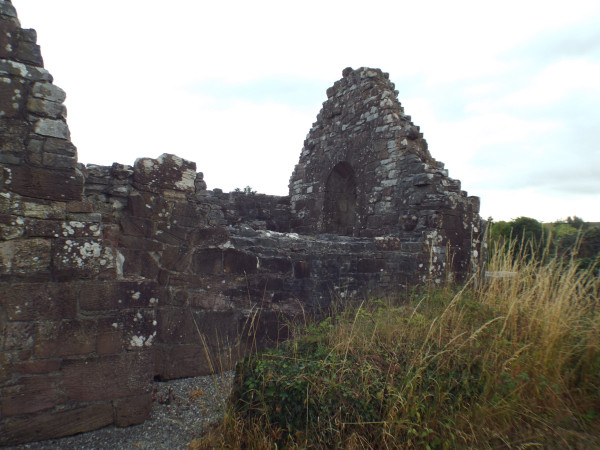
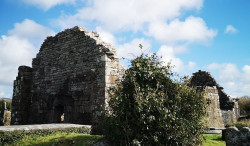
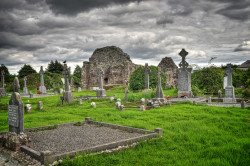
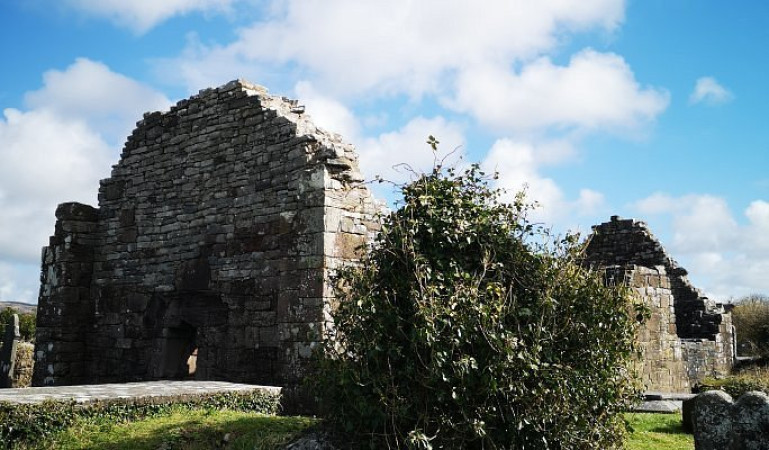
Ratass Church and Ogham Stone is a hidden historical gem that stands as one of the best things to do with kids in Tralee. Located on the eastern side of Tralee town centre along Quill Street, this state-protected ancient site belongs to the historic outdoor attraction category. It provides a quiet, open-air grassy space inside a functioning local cemetery where families can walk amongst old ruins, examine authentic ancient message markers, and learn about early Christian settlements.

Admission to this historic outdoor monument is completely free for adults, teenagers, and children. Because it is an unguided, open heritage site with no booking counters or ticket windows, a family visit will cost nothing at all. Parents can simply walk through the boundary gate with their children and start a self-guided journey into the past without spending a penny.

If you are looking for the best place for a day out with family and kids that combines real-life mystery, ancient writing systems, and a bit of fresh air, this landmark is a brilliant educational choice. The opportunity to hunt for hidden lettering on a centuries-old sandstone pillar and trace the thick stone entrance doors lets children act like real history detectives. It provides a peaceful, fascinating 30-minute stopover that adds a great dose of culture to a family day out around County Kerry.

Features

  • Free
  • Host birthday parties: No

Features

Key Features

  • Ancient Ringfort Site: Built directly on top of a 6th-century earthen rath, with the curving modern road still matching the ancient fort boundary lines.
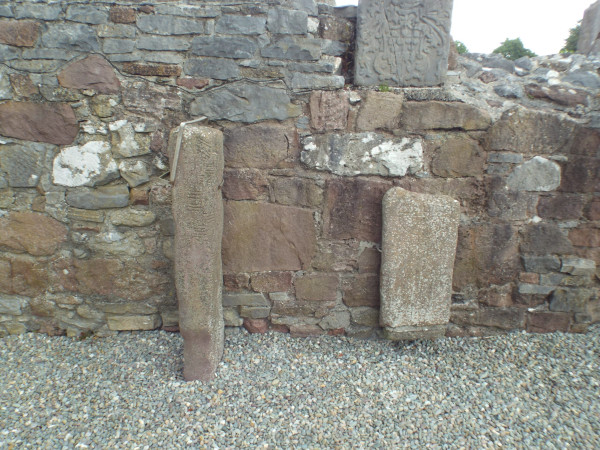
  • 6th-Century Ogham Marker: Contains a 1.45-metre purple sandstone pillar carved with an early Christian message system.
  • Multi-Period Masonry: Features structural transitions where original 10th-century Irish sandstone architecture meets later Norman extensions.
  • Educational Day Out: A great outdoor classroom for school-aged kids to learn about the ancient grammar, naming tags, and burial traditions of early Ireland.

Top Highlights

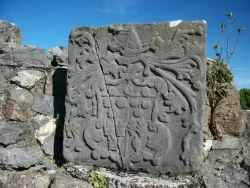
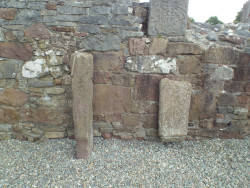
  • The 6th-Century Ogham Stone: Standing safely inside the northern wall of the central building is a 1.45-metre purple sandstone pillar. Children will love hunting for the tiny notched lines along the corners of the rock, which spell out the name of a real 6th-century person: "Sílán, son of Fáithloga".
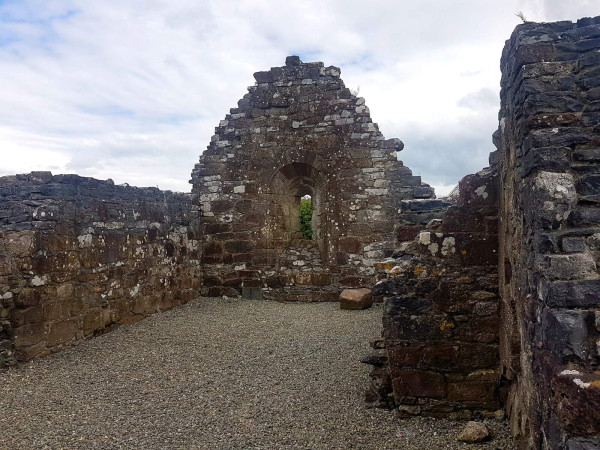
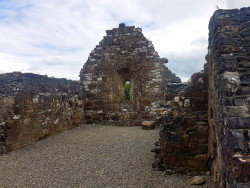
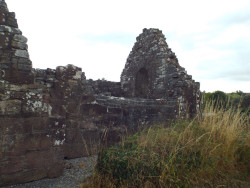
  • The Sandstone West Doorway: The main entrance of the original 10th-century room features huge, thick sandstone boulders stacked into a grand, traditional Irish frame. Kids can stand in the massive doorway and imagine what it was like to walk into a real royal church a thousand years ago.
  • The Hidden Burial Vault Hideout: When the ancient stone pillar was first discovered by cleanup workers in 1975, it was completely built into the walls of a 19th-century family tomb. Children will find it thrilling to hear how the stone was hidden in plain sight from the public for nearly two hundred years.
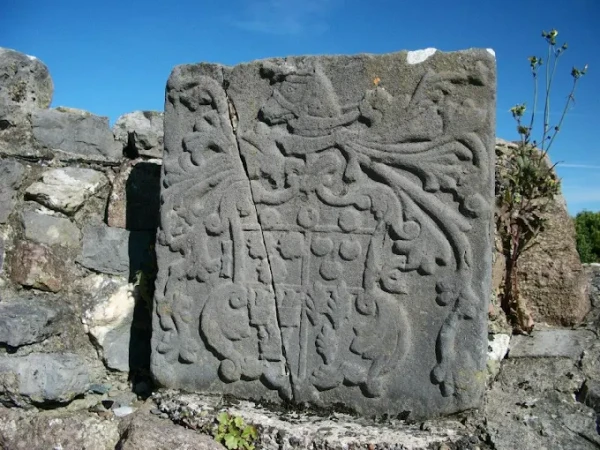
  • The Early Christian Cross Slab: Resting right beside the main pillar is a smaller stone slab carved with a primitive cross outline. Kids can compare this shape to modern gravestones to see how patterns and carvings have slowly changed over centuries.
  • The Republican Plot: Located about a hundred yards west of the church walls is a historic plot holding the graves of ten local volunteers from the early 1900s conflict. Older kids can look over the plaques to hear about real historical figures, including former soldiers who played major parts in local history.

Detailed Inventory

  • The 10th-Century West Gable: The oldest standing part of the ruin, constructed from local purple sandstone.
  • The Purple Sandstone Pillar: The 145-centimetre-tall stone featuring Primitive Irish text markings.
  • The Norman Chancel Extension: The later eastern room addition used by priests for the main altar space.
  • The Inverted Cross Carving: A faint, upside-down religious cross symbol etched onto the west face of the main stone.
  • The 1100s Southern Doorway: A secondary arched entrance added during the Norman-style expansion.
  • The Curving Fort Boundary Wall: The modern road edge that accurately traces the shape of the original 6th-century earthen fort.

Facilities

  • Toilets: There are no public toilets, baby-changing stations, or indoor facilities at this unguided national monument site. Families should visit local service stations or town centre cafes before their arrival.
  • Buggy Parking: There is no designated pram parking or secure locker storage on the grounds. The main paths are flat, but because the church sits inside a graveyard with uneven lawns, a child carrier backpack or sturdy stroller is highly recommended.
  • Food Options: No snack shops, cafes, or vending machines operate inside the monument. However, the central location in Tralee means you are always within walking distance of family-friendly restaurants, bakeries, and traditional diners.

What to see

What Visitors Love

  • The lack of crowds and commercial distractions creates a very peaceful space to teach children about local history.
  • The ancient markings are a brilliant way to introduce older kids to the history of written languages.
  • Being entirely free to enter makes it an excellent, low-stress stop on a family holiday budget.

What Visitors Don't Like

  • The complete lack of on-site shelter or public toilets can make visits difficult if a sudden Irish rain shower starts.
  • The site is quite small, meaning most families will finish looking around the stone walls in under 30 minutes.
  • There are no digital touchscreens or interactive play features, so parents will need to guide the history storytelling themselves.

Targeted FAQ

  • Is Ratass Church worth it for toddlers?: While toddlers will enjoy walking across the level paths, the site has no play frames or soft surfaces, and it is located within a quiet cemetery. It is much better suited for older, school-aged children who can actively engage with the ancient stone carvings.
  • How long does a visit to Ratass Church take?: A standard family visit to look at the ancient stone markings, explore the ruined church nave, and read the local signs takes between 20 and 35 minutes.
  • Where is the best place to park for Ratass Church?: The best place to park is along the roadside spaces near the northern entrance gates on Ballinorig Road, making sure not to block access for local residents.
  • Are there cheap indoor activities in Tralee for rainy days?: If the weather turns wet, families can head into the town centre to find budget-friendly indoor play areas, local arts centres, or covered town museums to stay completely dry.

Price

Price: Free

Birthday Parties

Offer Birthday Parties: No

The outdoor cemetery grounds can be accessed during daylight hours all year round. Visiting during midday is highly recommended for safety and visibility, as the ruins do not have any artificial lighting.

Address: Rathass Church, Ratass, Tralee, County Kerry, Ireland

Post Code:

Council: Kerry County Council

County: County Kerry

  • By Bus & Train: The ruins are easily accessible by walking eastward from the main public transport links in central Tralee.
  • By Car: Located on the eastern side of Tralee town. If driving into the area, follow the main N21 road into town and turn onto Quill Street or Ballinorig Road.
  • Parking: Free informal roadside parking options are available for families along the quiet lanes directly outside the northern cemetery gates.

0.00

0 Reviews

Rating breakdown

5
80% Complete (danger)
0
4
80% Complete (danger)
0
3
80% Complete (danger)
0
2
80% Complete (danger)
0
1
80% Complete (danger)
0

Get the best blog stories into your inbox!