Description
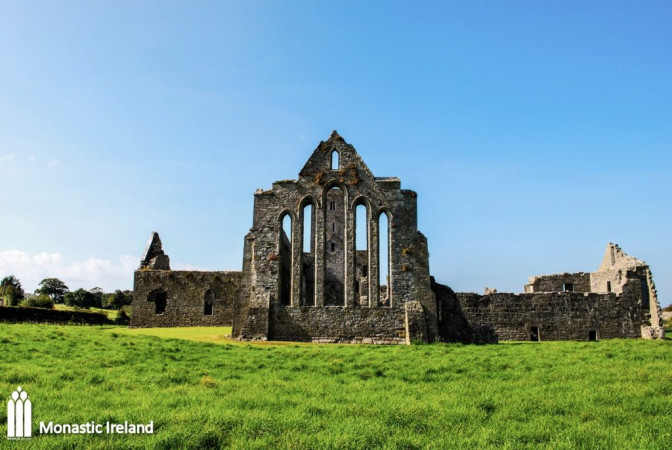
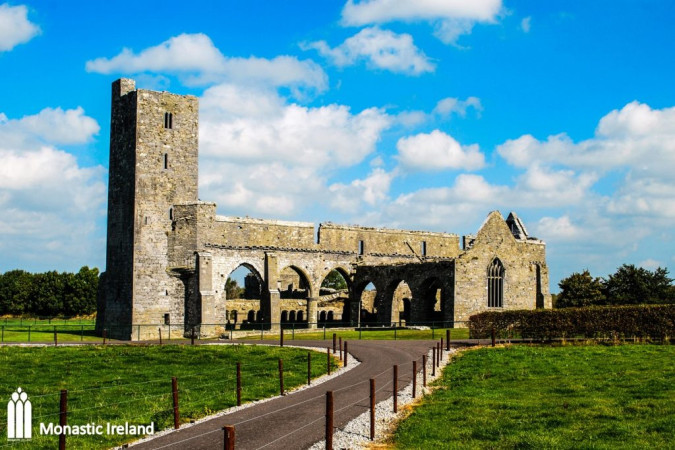
Ardfert Franciscan Friary is an imposing historic monument located in Ardfert village, County Kerry, that offers a fascinating look into early Christian monastic life and dramatic medieval histories for families exploring the region. Believed to have been built on the site of an early monastery founded by Saint Brendan the Navigator, which burned down around 1089, this striking stone ruin dates back to the late 13th or early 14th century. It stands out as an intriguing regional history stop for families who want to experience an authentic heritage trail in a peaceful countryside setting.
Admission to these historic ruins is completely free, making it an excellent budget-friendly heritage stop for parents travelling with children. Visitors can walk straight into the open-air grounds to explore the ancient landmarks at their own pace without needing to book tickets or pay entry fees.
If you are looking for a quick day out with family and kids that combines mystery, unique architecture, and ancient stone ruins, this historic landmark is a wonderful site to add to your travel plans. The tall six-floored tower and atmospheric roofless structures instantly transport young minds to an era of ancient craftsmen, raiding soldiers, and historical monks, sparking creative historical imagination.
Features
- Free
- Host birthday parties: No
Features
Key Features
- The West-End Tower: Unlike most Franciscan friaries, its massive 15th-century residential tower was built at the west end of the nave rather than between the nave and chancel.
- The Traveling Window: Features a magnificent 15th-century transept window that was moved to Ardfert Cathedral in 1670 and later returned to the friary in 1815.
- The Five-Lancet Choir Window: Includes a spectacular 13th-century east window split into five graded lancets that historically flooded the choir with brilliant natural light.
- The Multi-Material Masonry: Showcases a unique combination of rugged local limestone and sandstone, accented beautifully with bright red and green sandstone on the jambs and corners.
Highlights
- The Six-Floored West Tower: Standing tall at the western edge of the nave is a grand 15th-century residential stone tower. Info: School-aged kids can look up at the soaring structure to spot defensive slit windows on the ground floor and learn about the internal stairs that led to old living chambers and garderobes. It provides a fantastic layout for talking to kids about how these buildings were turned into military barracks during historic conflicts.
- The Five-Lancet East Window: Located at the east gable of the ruined church chancel is a beautiful 13th-century stone window frame. Info: Young historians can inspect the conjoined pointed hood mouldings and imagine how the five distinct lance-shaped openings brightly lit up the ancient choir. It helps paint a wonderfully vivid picture of medieval craftsmanship before the invention of modern lighting.
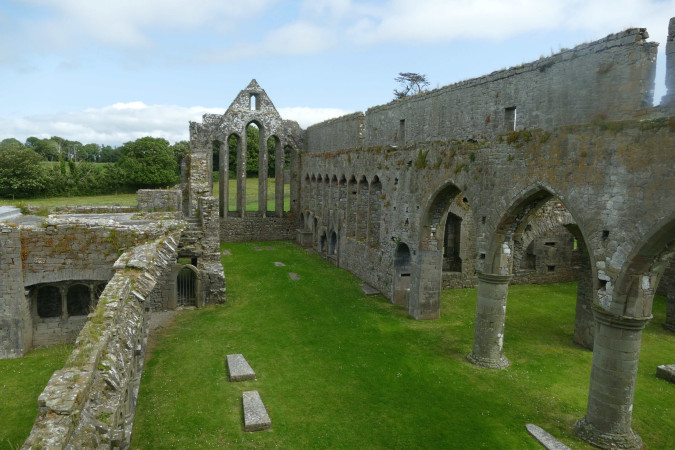
- The South Wall Lancet Windows and Niches: Running along the original 13th-century south wall are nine lancet windows with trefoil-headed interior frames. Info: Kids can check out the five distinct arched wall niches situated directly underneath the windows, which house 19th-century memorials. It serves as an exceptional backdrop for talking to kids about how styles changed from early medieval lines to 16th-century carvings.
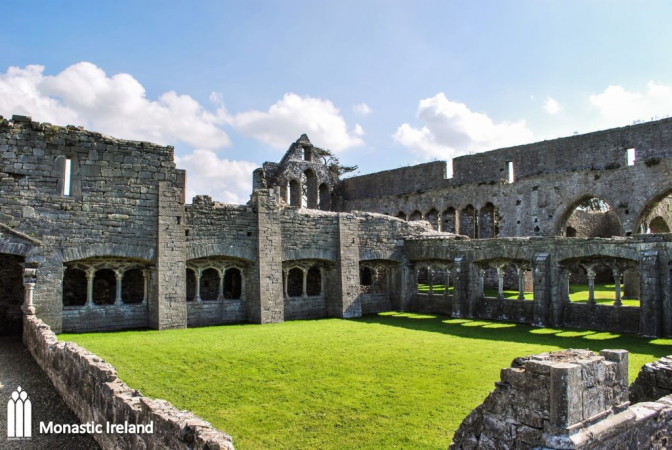
- The Cloister and Domestic Buildings: Positioned on the north side of the main church layout are the remains of the old residential offices and walkways. Info: Older children can explore the open footprint where the friars walked, slept, and worked during their daily monastic routines. It offers a fascinating, hands-on lesson in visualizing the complete community layout of an ancient Irish friary.
- The Great Southern Arcade: This refers to the series of four tall, pointed arches separating the nave from the lateral aisle. Info: Families can walk beneath the large circular stone piers to admire the surviving moulded bases and capitals. It provides a safe, quiet open-air space for kids to explore architectural details and see how medieval builders supported massive stone roofs.
Beyond the Main Attraction
- Ardfert Cathedral: Located just 0.6km away, a magnificent trio of medieval churches devoted to St Brendan featuring rich history trails and historic stone carvings.
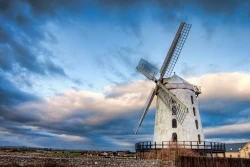
- Blennerville Windmill: Situated roughly 9.5km south, a brilliantly restored, working historic windmill that offers interactive family tours near a famous emigration port.
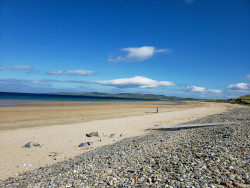
- Banna Strand: Positioned a short drive west, a stunning, expansive sandy beach perfect for a family walk, sandcastle building, and outdoor games.
- Listowel Castle: Located 23.2km northeast, a striking heritage stronghold that stands as the last great bastion of the Fitzmaurice lords.







 21.25 miles