Lilleshall Abbey

Description

Lilleshall Abbey was founded in about 1148 for a community of Augustinian canons. By the late 13th century, it had become a religious house of great reputation and prestige. In the 14th century, however, a financial crisis contributed to a gradual dwindling of the community. 

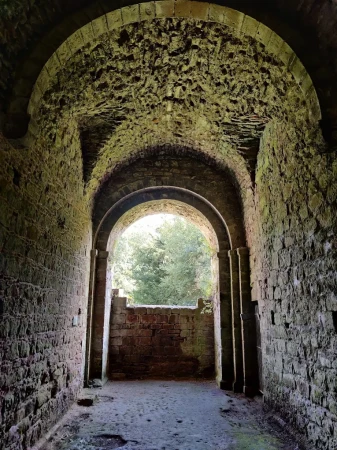
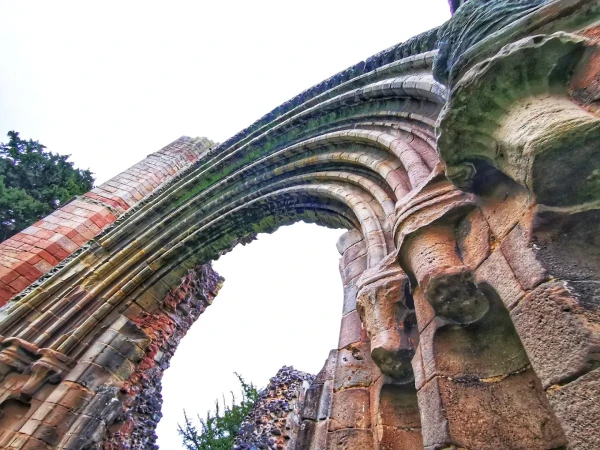
After the abbey was suppressed in 1538, it was converted into a private house. The buildings were severely damaged in the Civil War during a Parliamentarian siege, but the extensive sandstone remains still give an impression of its past magnificence.

Free Entry. If you are looking for Best place for day out with kids and families then this is the perfect destination offering fun, adventure, and unforgettable memories for everyone.

Features

  • Free
  • Host birthday parties: No

Features

  • History of Lilleshall Abbey: Lilleshall Abbey was founded in about 1148 for a community of Augustinian canons. By the late 13th century, it had become a religious house of great reputation and prestige. In the 14th century, however, a financial crisis contributed to a gradual dwindling of the community. After the abbey was suppressed in 1538, it was converted into a private house. The buildings were severely damaged in the Civil War during a Parliamentarian siege, but the extensive sandstone remains still give an impression of its past magnificence.
  • Origins: Lilleshall Abbey was founded in about 1148 for a group of Arrouasians from Dorchester Abbey in Oxfordshire, part of the wider congregation of Augustinian canons. The ‘black canons’, so called because of the colour of their habits, were communities of priests following a monastic rule but also preaching in churches and undertaking other parish work.
  • Prosperity and Crisis: During the13th century, Lilleshall enjoyed great prestige. The abbey derived a respectable income from gifts and legacies, farmland, two watermills and investments in property, as well as tolls for the use of the Atcham Bridge over the river Severn. Henry III (r.1216–72) was entertained here twice in about 1240.
  • During the early 14th century, however, Lilleshall suffered financial problems. The abbot was accused of mismanagement, and finances were further undermined by the reckless selling of pensions to lay people. Although stability was eventually restored, the number of canons had fallen to 10 or 11 by 1400.
  • Suppression and Later History: The abbey was closed in 1538, as part of the Suppression of the Monasteries. At its closure the community had shrunk to nine canons and 43 servants, with one schoolmaster. In 1539 the abbey was granted to James Leveson of Wolverhampton, whose family lived in a house on the site until the mid-17th century.
  • During the Civil War (1642–51), Lilleshall was fortified for the king. In 1645 it was besieged by Parliamentarian troops. After several weeks, the troops forced entry and severely damaged the former abbey buildings.
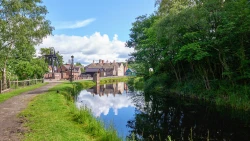
  • Lilleshall was then abandoned and left to decay. During the 18th century a canal was cut through the abbey precinct. The remains were placed in state care in 1950, and later repaired and consolidated.

Facilities

  • Parking: There is very limited parking at the Abbey entrance which is only accessible April to mid-October. During the winter park at the gateway entrance and use the pedestrian gate by the road to walk the 250m to the abbey.
  • Food & Drinks: Nearby Boscobel House and the Royal Oak has a tearoom, shop.
  • Toilets: Nearby Boscobel House and the Royal Oak has toilets.
  • Dogs: Dogs on leads are welcome. 

Price

Price: Free

Birthday Parties

Offer Birthday Parties: No

Open daily.

Address: Lilleshall, Newport TF10 9HW, UK

Post Code: TF10 9HW

Council: Telford and Wrekin

County: Shropshire

  • Road Access: On an unclassified road off A518, 4 miles north of Oakengates.
  • Bus Access: Arriva service 481 Telford – Stafford (passes close to Telford Central and Stafford railway station) or Arriva 115/116 (Sat only passes close to Shinall station) to within 1 mile – alight between Sheriffhales and Heath Hill.
  • Train Access: Oakengates 4 1⁄2 miles.
  • Bicycle Access: Find this site on The National Cycle Network.
  • Parking: There is very limited parking at the Abbey entrance which is only accessible April to mid-October. During the winter park at the gateway entrance and use the pedestrian gate by the road to walk the 250m to the abbey.

0

0 Reviews

Rating breakdown

5
80% Complete (danger)
0
4
80% Complete (danger)
0
3
80% Complete (danger)
0
2
80% Complete (danger)
0
1
80% Complete (danger)
0

More Day Outs in Telford and Wrekin

Get the best blog stories into your inbox!