Buildwas Abbey

Description

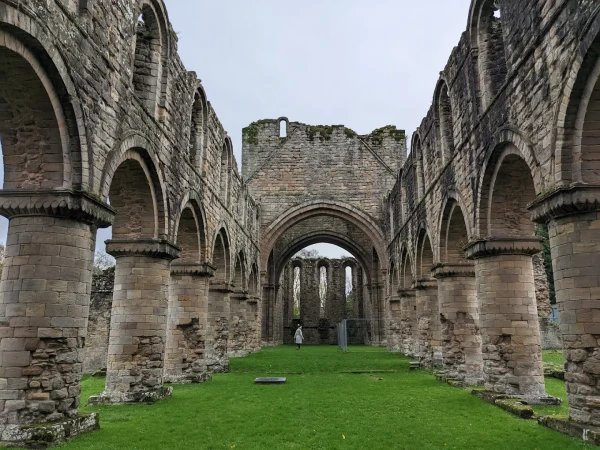
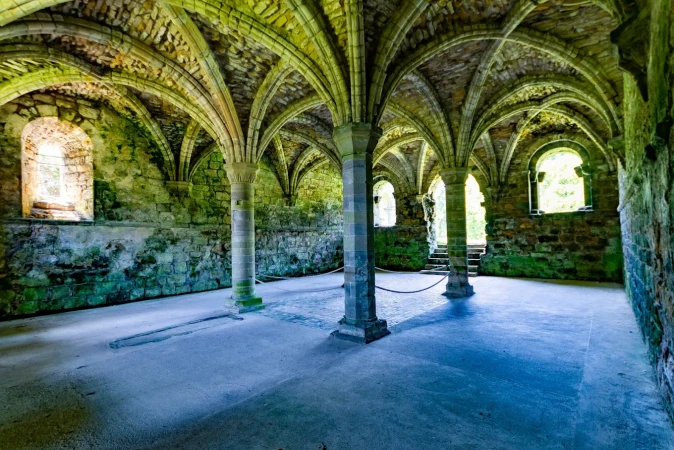
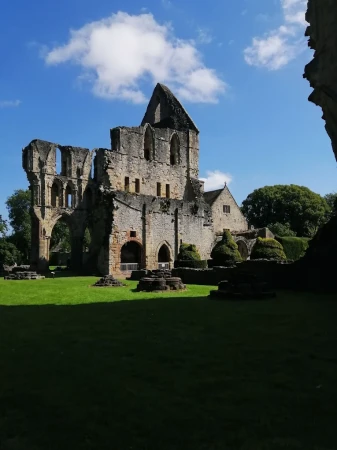
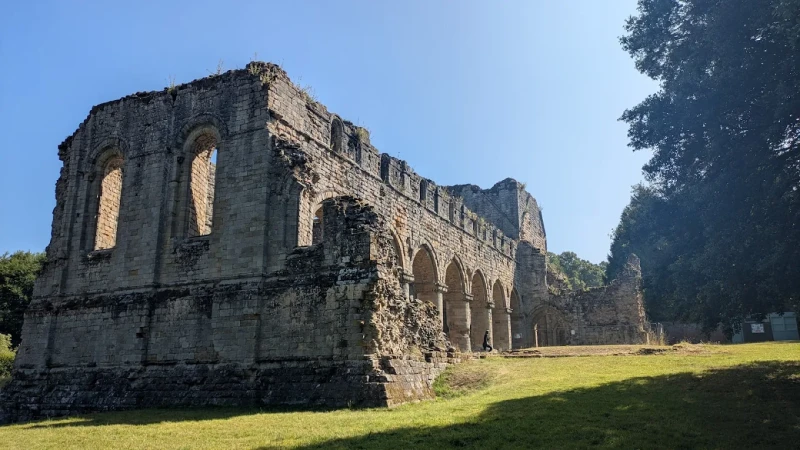
Buildwas Abbey, lying on the banks of the river Severn, Buildwas Abbey was founded in 1135 for a community of reforming Savignac monks. Twelve years later, it was absorbed into the austere Cistercian order. Although Buildwas was never especially large or wealthy, the services of its abbots were called upon by both Church and state and it attracted rich local patrons. 

Community life survived here despite many setbacks in the late 14th and 15th centuries, but in 1536 Buildwas fell victim to Henry VIII’s Dissolution of the Monasteries. Parts of the buildings became the core of a grand country house, and later the abbey’s magnificent ruins attracted the attention of artists.

Free Entry. If you are looking for Best place for day out with kids and families then this is the perfect destination offering fun, adventure, and unforgettable memories for everyone.

Features

  • Paid
  • Host birthday parties: No

Features

  • The Abbey’s Foundation: The years around 1100 were a time of great religious fervour, manifested in the foundation of several new, reforming monastic orders. One of these grew out of the abbey of Savigny in Normandy. Its pious, grey-clad monks soon attracted the support of the Anglo-Norman elites who ruled England, including Roger de Clinton, Bishop of Coventry and Lichfield. On 8 August 1135 Roger issued a charter formally founding Buildwas Abbey. The first abbot was called Ingenulf and the monastery was dedicated to the Virgin Mary and St Chad, a 7th-century bishop whose relics were enshrined at Lichfield Cathedral.
  • Merger with the Cistercians: However, in 1147 all Savignac monasteries, Buildwas included, were absorbed into the much larger Cistercian order. Eight years later a talented and energetic man called Ranulf was elected abbot of Buildwas. He ruled the monastery until 1187. It was during this time that the abbey’s impressive stone church was completed, together with the monastery’s main buildings, which were arranged around a cloister to the north of the church.
  • 13th-century prosperity: The abbey continued to prosper into the 13th century. Like Cistercian monasteries across England, it derived much of its income from the sale of fleeces from its flocks of sheep. Buildwas’s estates in Derbyshire alone were home to 500 sheep, and there were 300 more pastured in Herefordshire. These were traded with merchants in Flanders and Italy. The monastery’s stock also included cattle and goats. In 1277, Buildwas received permission to ‘assart’ or clear wooded land for cultivation. Papal taxation records from 1291 relating to the abbey’s estates in Shropshire and Staffordshire show that 60% of the income came from livestock, and 20% from arable farming.
  • A series of setbacks: The monastery continued to flourish into the early decades of the 14th century. Its abbot was summoned to parliament on more than a dozen occasions between 1295 and 1324, and in the late 1320s the young Edward III praised the quality of religious life at the abbey.

Facilities

  • Parking: Car parking is available on site with a £2 charge for non-members payable by text. Parking is free for Members with a valid English Heritage car sticker on display. If you would prefer to pay in advance of your visit, please visit our parking payment service website.
  • Food & Drinks: In the Wharfage car park in Ironbridge where you will also find a range of shops and food outlets.
  • Toilets: The nearest public toilets are located in the Wharfage car park in Ironbridge.
  • Dogs: Dogs on leads are welcome, please clear up after your dog and take any mess away with you.

Birthday Parties

Offer Birthday Parties: No

Open: 10am-5pm Apr-Oct & 10am-4pm Nov-Mar.

Address: Buildwas, Telford TF8 7BW, UK

Post Code: TF8 7BW

Council: Shropshire

County: Shropshire

  • Road Access: On south bank of River Severn on A4169, 2 miles west of Ironbridge.
  • Bus Access: Select Bus Services, service 96. There is no footpath for the last 100meters before the entrance to the abbey, only the rough grass verge.
  • Train Access: Telford Central 6 miles.
  • Bicycle Access: Find this site on The National Cycle Network.
  • Parking: Car parking is available on site with a £2 charge for non-members payable by text. Parking is free for Members with a valid English Heritage car sticker on display. If you would prefer to pay in advance of your visit, please visit our parking payment service website.

0

0 Reviews

Rating breakdown

5
80% Complete (danger)
0
4
80% Complete (danger)
0
3
80% Complete (danger)
0
2
80% Complete (danger)
0
1
80% Complete (danger)
0

Get the best blog stories into your inbox!