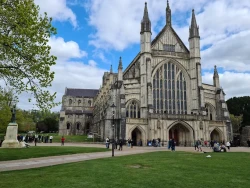
Wolvesey Castle (Old Bishop's Palace)

Description

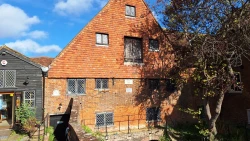
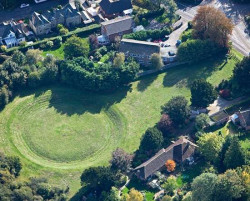
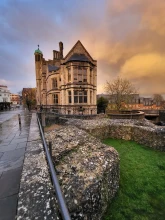
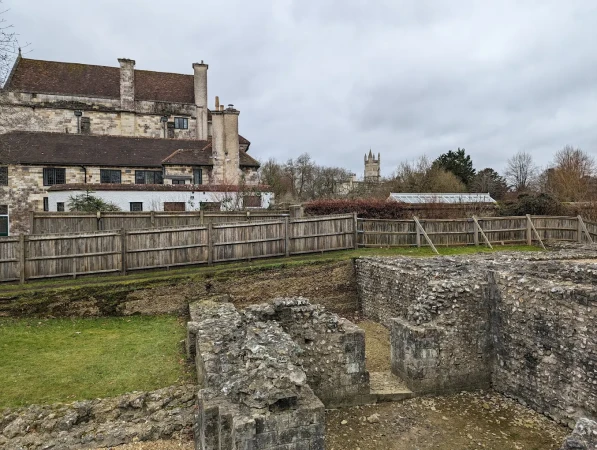
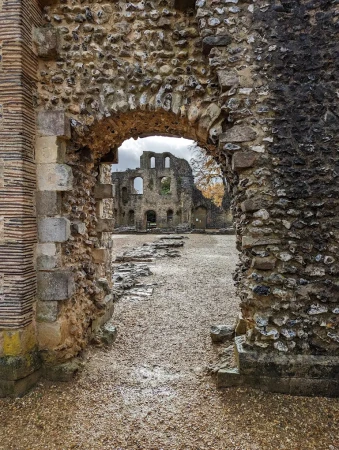
Wolvesey Castle (Old Bishop's Palace) the medieval Bishops of Winchester were rich and powerful men, the relations and advisers of kings. Wolvesey, standing a stone's throw from Winchester Cathedral, was their main residence throughout the Middle Ages. The extensive remains date largely from the great 12th century palace of Bishop Henry of Blois, brother of King Stephen.

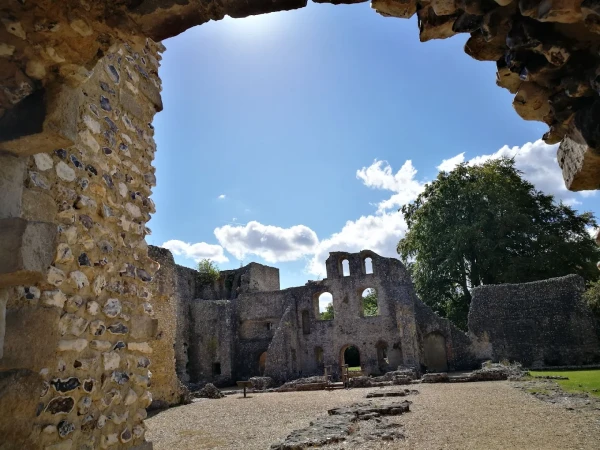
Though ruinous, the buildings still evoke an impression of their former grandeur. The last great occasion here was on 25th July 1554, when the East Hall was transformed with silk and gold hangings for Queen Mary and Philip of Spain's wedding banquet. 

Free Entry. If you are looking for Best place for day out with kids and families then this is the perfect destination offering fun, adventure, and unforgettable memories for everyone.

Features

  • Free
  • Host birthday parties: No

Features

  • History of Wolvesey Castle (Old Bishop’s Palace): Wolvesey Castle was one of the greatest medieval buildings in England – the palace of the powerful and wealthy bishops of Winchester. One of the most important Norman palaces in England, it was built during a period when Winchester was second only to London as a royal and ecclesiastical centre. The palace remained in use until the 1680s, when Bishop George Morley decided to build a new palace nearby.
  • The Early Bishops of Winchester: Throughout the medieval period the bishops of Winchester held one of the highest positions of power in the English church, as well as in national politics. They owned vast estates stretching from Somerset to London, which brought them great wealth.
  • The Bishop of Winchester once lived as part of the community of monks who served the cathedral church. By the 10th century, however, the increasingly public role of the bishop meant that an enclosed monastery life was impractical.
  • Aethelwold I (963–84) was the first bishop to live separately from the cathedral. Little is known about his residence, which lay north of the present palace, but it probably included a hall, residential accommodation and a chapel.
  • In about 1110 Bishop William Giffard (1107–29) built the stone west hall, which is today largely buried beneath the baroque palace. However, the ruins of the northern end have survived. Raised up on the first floor to give the building an imposing appearance, these rooms served as the bishop’s private chambers, but were also frequently occupied by royal guests.
  • Bishop Henry of Blois: The surviving ruins of Wolvesey were largely the creation of one man, Bishop Henry of Blois (1129–71), who built a palace befitting his immense wealth and powerful position. Appointed abbot of Glastonbury in 1126, Henry succeeded William Giffard as bishop of Winchester three years later. When his brother Stephen became king in 1135, he took on the role of the king’s chief adviser, and in 1139 became papal legate, the pope’s representative in England.
  • Civil War and the Fortification of Wolvesey: During the civil war of King Stephen’s reign, when both Stephen and the Empress Matilda claimed the English throne, Bishop Henry was naturally at the heart of events.
  • In 1141, King Stephen was captured by Matilda’s forces. Henry deserted his brother, welcoming the empress to Winchester and preparing to consecrate her as queen. He was soon alienated by her attitude, however, and returned to his brother’s cause.
  • The Bishops and Their Diocese: Wolvesey was just one of many grand houses and castles owned by the bishops of Winchester across their diocese, which covered Hampshire, Surrey and the Isle of Wight. The bishops were constantly on the move, travelling between their estates and attending the royal court – many of them were important royal officials.
  • Wolvesey in Decline: Wolvesey continued in declining use as an episcopal house until the 1680s, when it was abandoned in favour of a new palace built next to the medieval site by Bishop George Morley (1662–84).
  • By the mid-18th century the bishops preferred to use Farnham Castle in Surrey as their main residence and Wolvesey was neglected. Although the baroque palace was largely demolished in 1786, the west wing survived, and remains the current bishop’s residence.

Facilities

  • Parking: There are a number of public car parks in Winchester, not managed by English Heritage. The closest one is Colebrook Street, a five-minute walk from the site.
  • Dogs: Dogs on leads are welcome. 

Price

Price: Free

Birthday Parties

Offer Birthday Parties: No

Open 10am-5pm daily 1 Apr - 30 Sept, 10 am-4pm 1 Oct - 31 Mar.

Address: College Street, Winchester, UK

Post Code: SO23 9NB

Council: Winchester

County: Hampshire

  • Road Access: 3⁄4 mile South-East of Winchester Cathedral, next to the Bishop’s Palace; access from College St.
  • Bus Access: From surrounding areas.
  • Train Access: Winchester 3⁄4 mile.
  • Bicycle Access: Find this site on The National Cycle Network.
  • Parking: There are a number of public car parks in Winchester, not managed by English Heritage. The closest one is Colebrook Street, a five-minute walk from the site.

0.00

0 Reviews

Rating breakdown

5
80% Complete (danger)
0
4
80% Complete (danger)
0
3
80% Complete (danger)
0
2
80% Complete (danger)
0
1
80% Complete (danger)
0

Get the best blog stories into your inbox!