Temple Church

Description

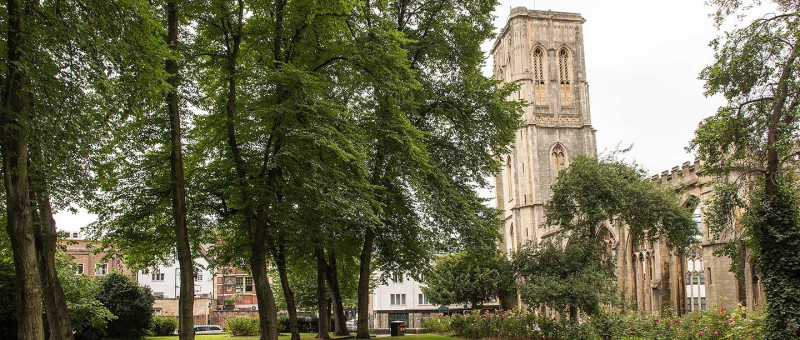
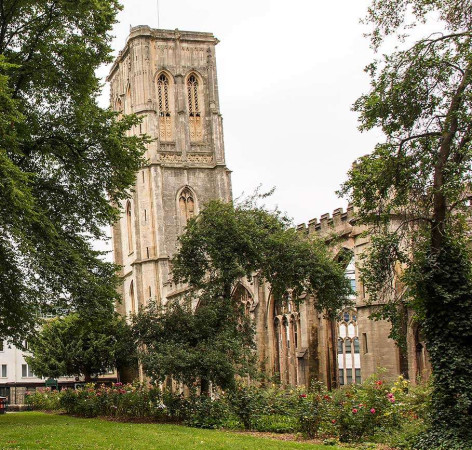
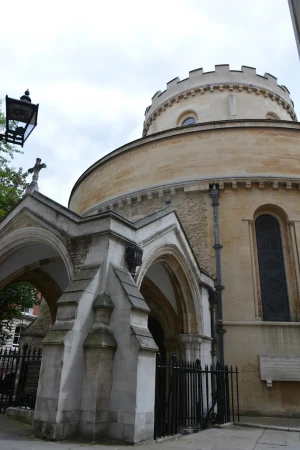
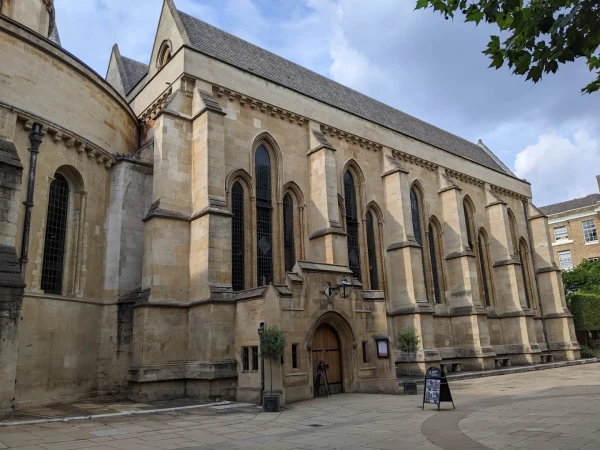
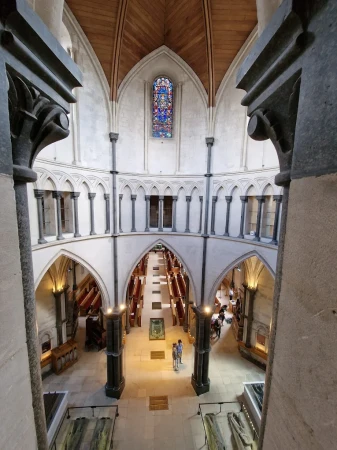
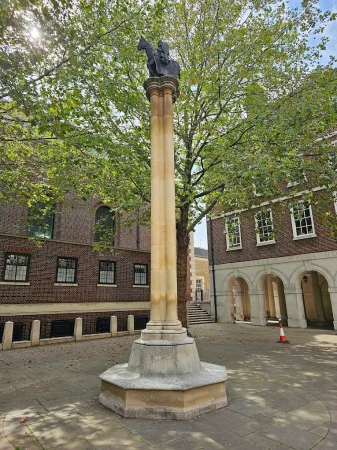
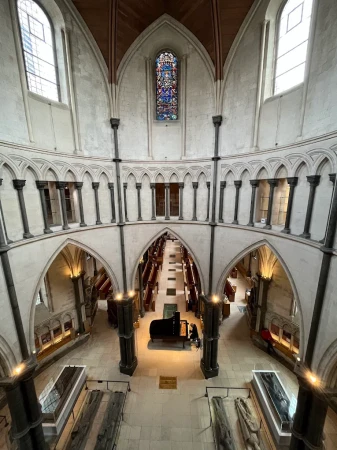
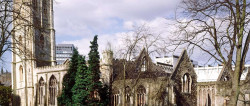
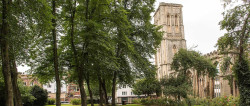
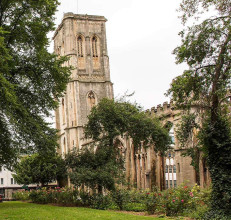
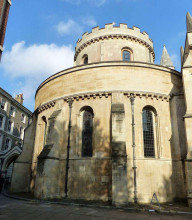
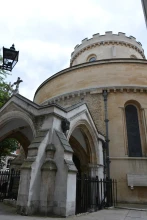
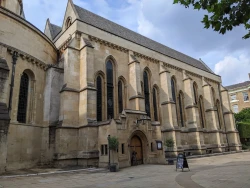
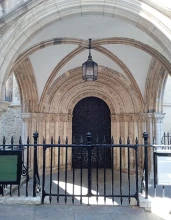
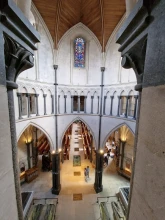
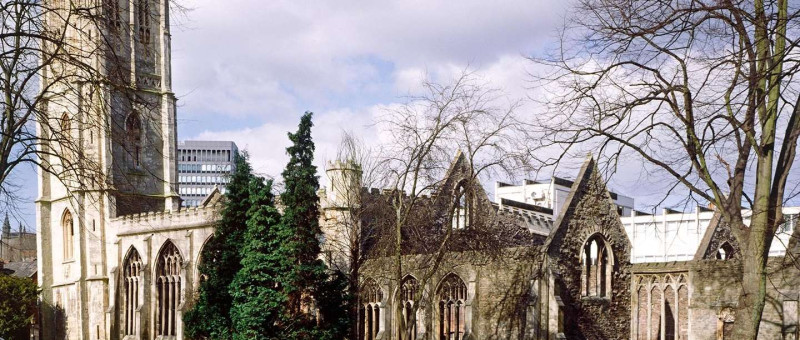
Temple Church the leaning tower and walls of this large late medieval church in Bristol survived bombing during the Second World War. Temple Church is so called because the original church here was built by the Knights Templar, the medieval military order founded to protect pilgrims to the Holy Land. Their round church was later replaced with a more spacious rectangular one, and the shape of the first church is marked out in the ground. 

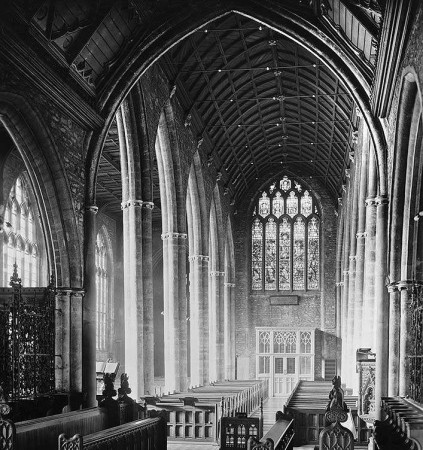
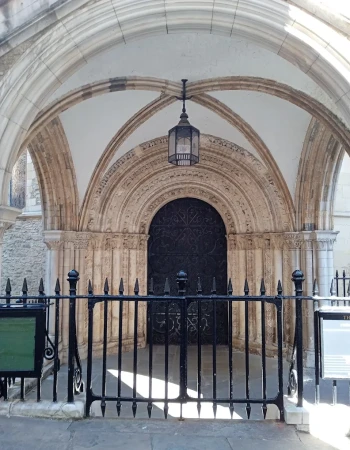
Temple Church had its origins as a small monastic church, founded by the Knights Templar in the 12th century. After the Templar order was closed in the 1310s, their round church here was rebuilt on a large scale as a more conventional rectangular church. Most of the surviving walls date to the 14th century, when it was the parish church of the Temple area of Bristol. The bell tower, a local landmark, was already leaning by the time it was finished in about 1460. 

Free Entry. If you are looking for Best place for day out with kids and families then this is the perfect destination offering fun, adventure, and unforgettable memories for everyone.

Features

  • Free
  • Host birthday parties: No

Features

  • History of Temple Church, Bristol: Temple Church had its origins as a small monastic church, founded by the Knights Templar in the 12th century. After the Templar order was closed in the 1310s, their round church here was rebuilt on a large scale as a more conventional rectangular church. Most of the surviving walls date to the 14th century, when it was the parish church of the Temple area of Bristol. The bell tower, a local landmark, was already leaning by the time it was finished in about 1460. The church was heavily damaged by German bombing in the Second World War, leaving the impressive shell we see today.
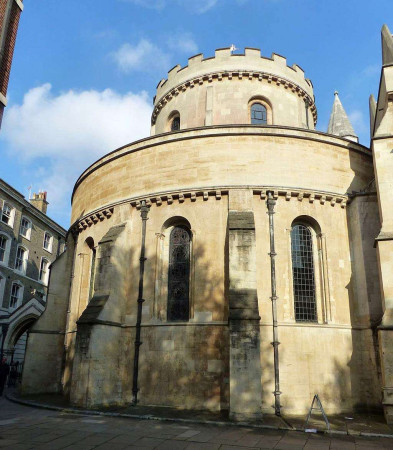
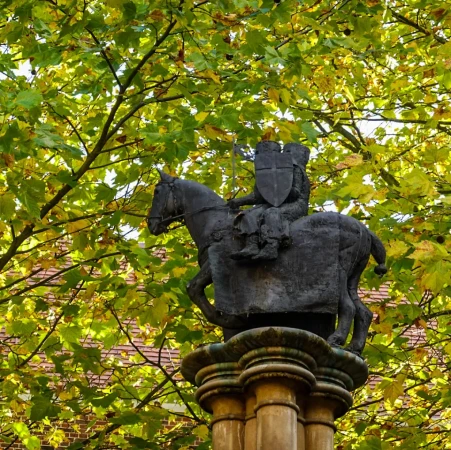
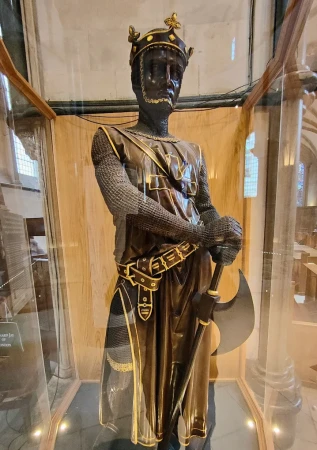
  • The Templars’ round church: The church takes its name from the Knights Templar, an order of ‘soldier monks’ founded in the early 12th century in Jerusalem, which was then under Christian control. The Templars were perhaps the most famous of several military monastic orders founded to defend the Crusader kingdom of Jerusalem and protect pilgrims travelling there. They took their name from the Temple Mount in Jerusalem, where they had their headquarters.
  • The medieval church: After the Templar order was disbanded in the 1310s – a victim of international politics – ownership of the church transferred to another military order, the Knights Hospitaller. The new owners, together with the parishioners and the city’s Weavers’ guild, began to enlarge the church. During the medieval period many of Bristol’s cloth workers lived in the Temple area, and it was their wealth that helped to transform Temple Church into one of Bristol’s largest and most important churches.
  • The leaning tower of Bristol: In about 1390 the parishioners started work on a bell tower. Unfortunately, during its construction the tower began to lean – either because the foundations were too shallow for the soft alluvial ground, or because the mortar was not strong enough. Building work came to a halt after the first three stages.
  • Reformation and Restoration: Henry VIII closed the Hospitallers’ order in 1540 as part of his Dissolution of the Monasteries. Because Temple Church had not been a monastic church since the early 14th century, this simply meant a change of landlord for the parishioners. The City Corporation bought the church in 1544, and could now appoint the vicar and retain any surplus from parishioners’ fees.
  • Bomb damage: On the evening of 24 November 1940 the German Luftwaffe dropped several thousand incendiary bombs in what became known as the Bristol Blitz. The bombing destroyed a huge part of medieval Bristol, including large parts of the Temple area. Temple Church was gutted in the resulting firestorm, along with three other churches and thousands of houses.
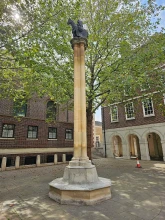
  • The afterlife of the church: The old parish churchyard was laid out as the urban park of Temple Gardens in 1958, with the ruined church occupying its north side.

Facilities

  • Parking: There is charged on-street parking within five minutes of the site. The Church is also an easy walk from the city centre and Temple Meads station. 
  • Dogs: Dogs on leads are welcome.

Price

Price: Free

Birthday Parties

Offer Birthday Parties: No

The site is open daily from 10am- 4pm.

Address: Victoria Street, Redcliffe, Bristol, UK

Post Code: BS1 6HS

Council: Central

County: Bristol

  • Road Access: Located in Temple St, off Victoria St.
  • Bus Access: From surrounding areas.
  • Train Access: Bristol Temple Meads 1⁄4 mile.
  • Bicycle Access: Find this site on The National Cycle Network.
  • Parking: There is charged on-street parking within five minutes of the site. The Church is also an easy walk from the city centre and Temple Meads station. 

0

0 Reviews

Rating breakdown

5
80% Complete (danger)
0
4
80% Complete (danger)
0
3
80% Complete (danger)
0
2
80% Complete (danger)
0
1
80% Complete (danger)
0

More Day Outs in Central Bedfordshire

Get the best blog stories into your inbox!