Cirencester Amphitheatre

Cotswold Avenue, Cirencester, Gloucestershire GL7 1XY, UK
1-99 Years
Paid

Description

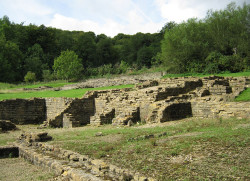
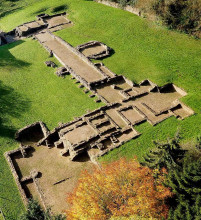
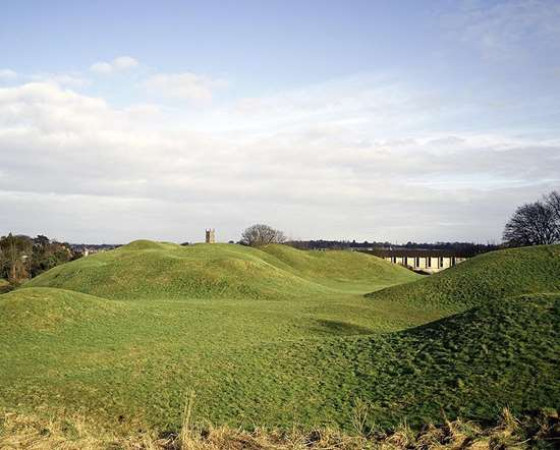
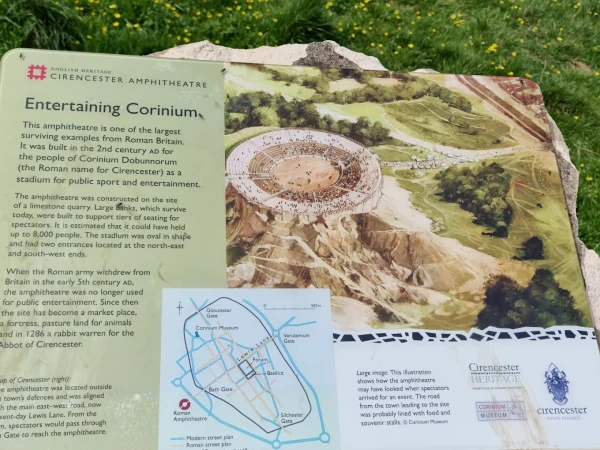
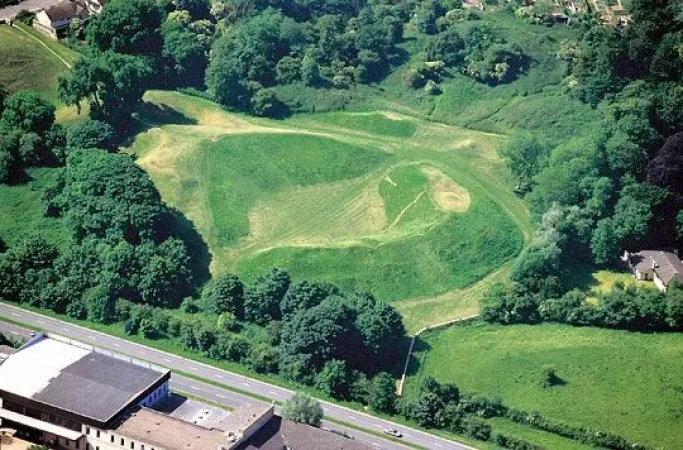
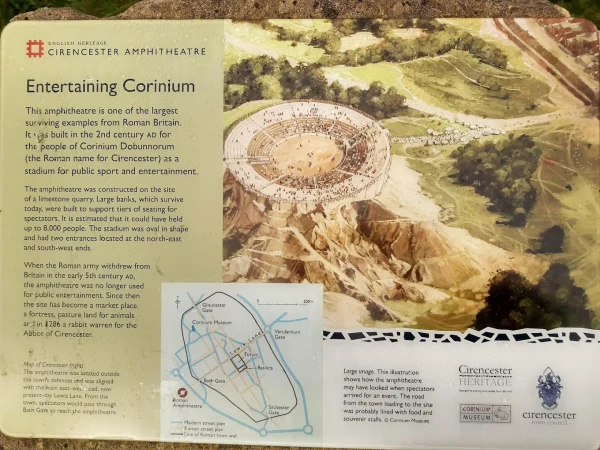
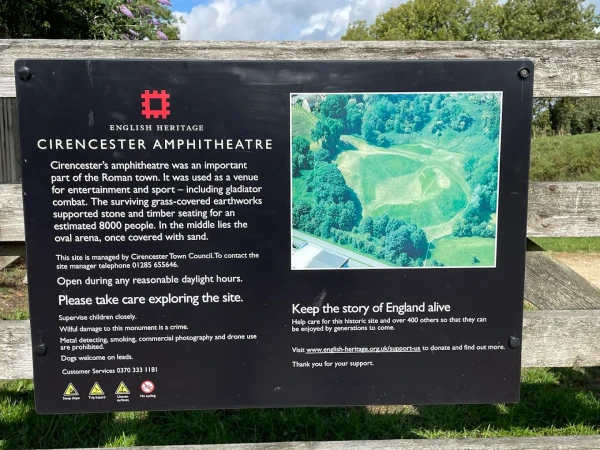
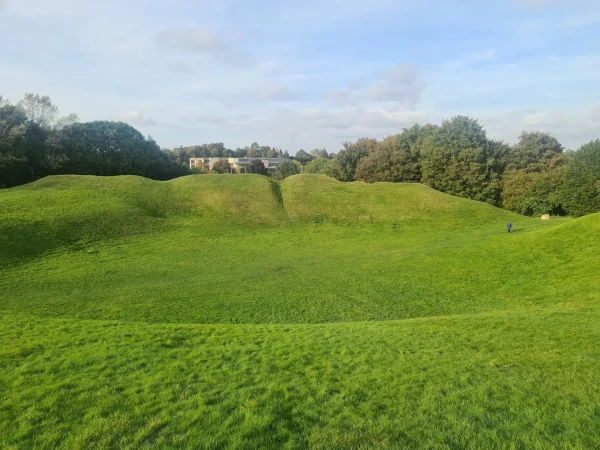
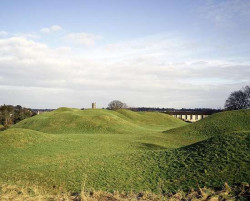
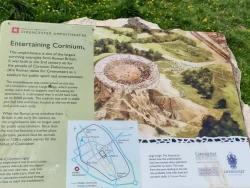
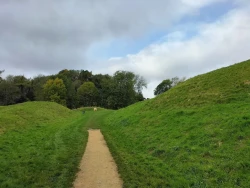
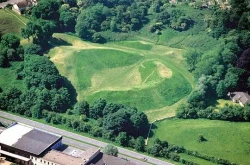
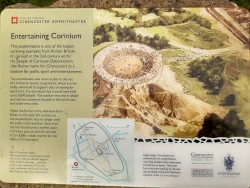
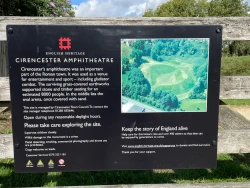
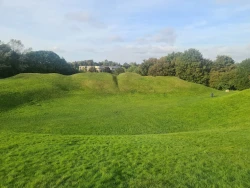
Cirencester Amphitheatre, On the outskirts of the Cotswold town of Cirencester are the massive earthwork remains of one of the largest Roman amphitheatres in Britain. It was built in the early 2nd century, when the Roman city of Corinium (now Cirencester) was second only to London in size and importance, with a population of over 10,000. The amphitheatre could hold about 8,000 spectators. After the Roman army left Britain, it was fortified against Saxon invaders. 

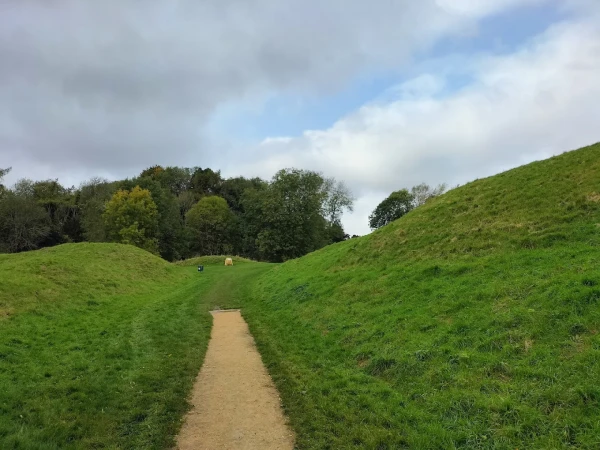
The amphitheatre is oval in plan (unlike the circular forms built at such places as Dorchester and Silchester), and it has an entrance at each end of the long axis. The massive banks, which are all that can be seen today, supported tiers of seats made from planking on terraced drystone walls.

Free Entry. If you are looking for Best place for day out with kids and families then this is the perfect destination offering fun, adventure, and unforgettable memories for everyone.

Features

  • Paid
  • Host birthday parties: No

Features

  • History of Cirencester Amphitheatre: The Cirencester amphitheatre is one of the largest known examples surviving from the Roman occupation of Britain. It was built just outside the walls of the town (then known as Corinium) early in the 2nd century AD.
  • Cirencester was second only to London in size at this period, with a population of over 10,000, and was at its finest just as Roman rule was collapsing throughout the Western Empire.
  • In AD 408 the last contingents of the regular Roman army left Britain. Without their pay to support the local economy and maintain order, and with no central administration to maintain communications, town life rapidly declined.
  • Private patrons prepared to pay for the public games could not be found. No longer used for the pursuit of pleasure, the amphitheatre became a fortress in an attempt by the town leaders to safeguard their community.
  • Its entrances were narrowed and a ditch dug along the southern sides, and remains of timber buildings dating from the 5th century have also been found. These efforts appear to have been in vain. In AD 577 a stronghold believed to be Cirencester is reported as falling to the advancing Saxons.
  • The amphitheatre then remained abandoned for several centuries.
  • In the Middle Ages the Abbot of Cirencester enclosed it for use as a rabbit warren. Its local name, the Bull Ring, suggests that it may once have been used for bull-baiting: a return to its original purpose.

Facilities

  • Parking: Free parking is available in the car park at the eastern end of the Cotswold Avenue.
  • Food & Drinks: Shops and food outlets can be found nearby in Cirencester town centre.
  • Toilets: Toilets can be found nearby in Cirencester town centre.
  • Dogs: Dogs on leads are welcome.

Birthday Parties

Offer Birthday Parties: No

Open any reasonable time during daylight hours.

Address: Cotswold Avenue, Cirencester, Gloucestershire GL7 1XY, UK

Post Code: GL7 1XW

Council: Cotswold

County: Gloucestershire

  • Road Access: Located W of Cirencester, next to the bypass. Access from the town, or along Chesterton Lane from the west end of the bypass, on to Cotswold Ave.
  • Train Access: Kemble 4 miles.
  • Bus Access: From surrounding areas.
  • Bicycle Access: Find this site on The National Cycle Network.
  • Parking: Free parking is available in the car park at the eastern end of the Cotswold Avenue.

0

0 Reviews

Rating breakdown

5
80% Complete (danger)
0
4
80% Complete (danger)
0
3
80% Complete (danger)
0
2
80% Complete (danger)
0
1
80% Complete (danger)
0

Get the best blog stories into your inbox!