Cairngorms National Park

Description

Cairngorms National Park is the largest national park in the UK, located in the heart of the Scottish Highlands. It offers a breathtaking mix of mountains, forests, rivers, and wildlife, creating a perfect destination for nature lovers and outdoor enthusiasts. The park is known for its stunning landscapes, rich heritage, and peaceful atmosphere all year round.

Spanning over 4,500 sq km, the park is home to rare wildlife such as red squirrels, Scottish wildcats, and capercaillie, along with ancient woodlands and dramatic mountain ranges. Visitors can explore over 100 walking and cycling trails, scenic lochs, and charming towns like Aviemore and Braemar, while enjoying activities such as hiking, watersports, and wildlife spotting. The area also has a deep cultural history, with communities, traditions, and landscapes shaped over thousands of years. 

Entry to the national park is completely free, and it is open 24 hours, allowing visitors to explore at their own pace. Costs may apply for specific activities, guided tours, or accommodation within the park. 

Cairngorms National Park offers an unforgettable outdoor experience filled with adventure and natural beauty. It is ideal for families, hikers, and anyone looking to escape into nature. With its diverse landscapes, wildlife, and activities, it provides a truly memorable and refreshing visit.

Features

  • Free
  • Host birthday parties: No

Features

  • Towns and villages: Spanning the counties of Aberdeenshire, Moray, Highland, Angus, and Perth and Kinross, the towns and villages of the Cairngorms National Park are home to over 18,000 people. Some of the largest settlements are Aviemore, Ballater, Braemar, Grantown on Spey, Kingussie, Newtonmore and Tomintoul, and each one is unique. Businesses, shops, and people offer a glimpse into the colourful cultures of these places and hint at their heritage, too. 
  • Culture and heritage: The Cairngorms National Park is rich in culture both past and present. People have lived and worked in the area for thousands of years, and the National Park’s heritage is cared for and celebrated in communities across the Cairngorms, through events, interpretation, storytelling and music. Separated by mountains, communities have their own distinct identities and cultural traditions, but they share deep connections to the land and landscapes of this special place.  
  • Paths and trails: There are over 100 local paths and trails across the National Park to explore. Many of the towns and villages in the Cairngorms have a network of paths varying from short strolls through woodlands, or alongside rivers, to routes up local hills offering stunning views. They are often a great way to take in the local history of an area and, if you’re lucky, you’ll spot some of the creatures who also call the National Park home. 
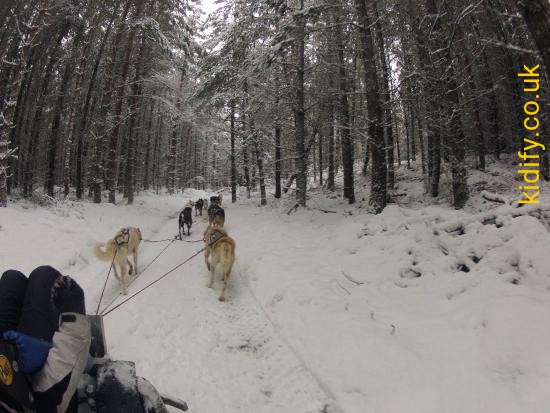
  • Adventure and the outdoors: The Cairngorms National Park is a magnet for those who love the outdoors. Shaped by vast crushing glaciers thousands of years ago, its landscape now spans forests, moorland, farmland, wetlands and mountains, which combine to create the ultimate natural playground. But this is a living, working landscape, too. Today, the natural environment and the people of the National Park both play a part in providing opportunities for outdoor adventures of all sizes.  
  • Attractions and sightseeing: Scenic beauty is the main attraction of the Cairngorms National Park. Tourists have flocked here since Victorian times, drawn to the region’s clean air, clear waters and mountain views. This is still true today – and for residents too. Paths galore open up countless opportunities for walks and bike rides, stunning viewpoints, lochs to sit beside, wander around or even take a dip in, and woodlands to explore. 
  • Cycling: Travelling on two or three wheels is one of the best ways to enjoy the breathtaking scenery of the Cairngorms National Park, which offers some of the UK’s most accessible cycling. 
  • Eat, drink and shop: The Cairngorms National Park is a feast for the eyes and the palate. Local chefs, farmers, food producers and retailers make the most of the region's natural bounty using traditional and foraged ingredients, such as oats and wild garlic, coupled with modern techniques. Whether you're a resident or a visitor, enjoying a meal here connects you to the land and its rich culinary heritage.
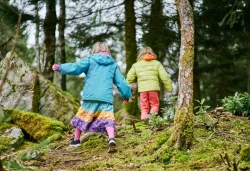
  • Families and kids: Time spent outdoors with the kids is a joy in the Cairngorms National Park, thanks to nature-filled views and the fresh air that comes as standard in this region. And when you have little legs, adventures don’t have to be grand to be exciting: sometimes, a walk to the local playpark via a coffee shop is enough for one day. If that’s a little low octane for your liking, there’s a vast selection of more lively attractions and indoor and outdoor activities to choose from.
  • Indoor activities: While making the most of the outdoors is a priority for many people who live in and visit the Cairngorms National Park, this region is also full of brilliant activities to tempt you indoors. We are in Scotland after all, where the weather often pays no heed to your outdoor plans. When getting under shelter is the best option all round, there's a range of options to suit every whim.
  • Nature and wildlife experiences: It’s hard to overstate the natural significance of the Cairngorms. For starters: it’s the UK’s largest national park, a quarter of the UK's rare and endangered species live here, and there are nine nature reserves within its boundaries. As an internationally recognised conservation hub, there’s already a lot of amazing work underway to protect the region’s unique plant and animal life. And we all – residents, visitors and businesses alike – can play a part in looking after it for the next generation.
  • Viewpoints: Whether it’s with a cup of tea in hand, from a paddle board, or up a mountain, there are many ways to enjoy the endless views the Cairngorms National Park has to offer. And with Scotland’s ever-changing seasons – sometimes four in a day as well as in a year! – you really won’t get the same view twice. There are stunning panoramas almost everywhere, but here we highlight some of our favourites.
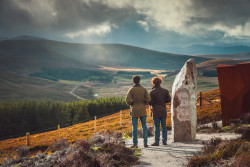
  • Walking: The stunning landscapes of the Cairngorms are easily enjoyed on foot, whether it’s a soothing loch-side stroll, a woodland wander or for the more experienced, a high mountain hike. A stroll in the National Park will connect with nature and soothe the mind, as much as it stretches the legs.
  • Watersports: The lochs and rivers of the Cairngorms are stunning places for swimming and watersports, and there is no better way to feel at one with nature than taking a dip or floating on the water. Please remember though, even on warm days the water can be very cold, and these are shared spaces with wildlife and anglers so always be careful and considerate.  

What to see

Wildlife

  • Birds: Osprey, curlew and capercaillie are among the many iconic birds of the Cairngorms.
  • Mammals: From red squirrel to beaver, the National Park plays host to fascinating animals.
  • Invertebrates: The Cairngorms National Park is one of the main strongholds for some of the rarest insects in the UK.
  • Plants and trees: Ancient woodlands and rare plantlife are part of the unique landscapes of the National Park.

Landscapes

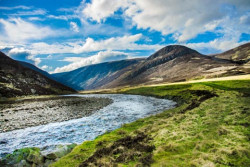
  • Freshwater: Known as the arteries of the landscape, freshwater systems act as a vital connector across the landscapes of the National Park. From rivers to lochs to burns, our waterways offer a range of unique habitats in the Cairngorms, joining up peatlands, woodlands, flood plains, grasslands and more to provide the lifeblood that many species of wildlife rely on for survival.
  • Lowland grasslands: Home to four of the five biggest mountains in Scotland, the Cairngorms National Park is known for its dizzying heights, but a huge quantity of the land within the National Park boundary is made up of vitally important lowland grassland. From lush green grassy fields, to meadows blooming with wildflowers, right through to reedy ponds, the mixture of habitats that lowland grassland encompasses help to form important ecosystems for our internationally important wildlife.
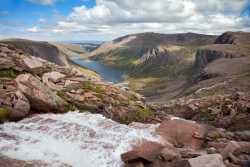
  • Mountains and the plateaux: Famed for its mountains, the Cairngorms National Park is home to some of the most impressive and highest ranges of the UK. From the Drumochter hills in the south, the impressive corries of Glen Clova and Esk, through to Lochnagar in the east and the iconic Lairig Ghru, these diverse, compelling landscapes have inspired creativity and curiosity in people for many thousands of years.
  • Peatlands and moorlands: The heathlands and peatlands of the Cairngorms, often referred to together as moorland, represent a vast open landscape lying between the woodland edge and the mountain tops. In summer, purple heather blooms across the moors, an iconic and welcome sight that follows the colder months characterised by boggy browns and earthy greens.
  • Wetlands: The wetlands of the National Park are one of the most important and impressive ecosystems that we have. Given the importance they play in connecting habitats and sustaining life, they shouldn’t be underestimated and are deserving of the same awe and wonder that the mountains provoke.
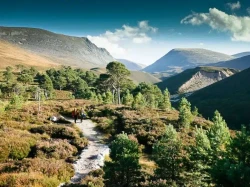
  • Woodland: The Cairngorms is home to a variety of spectacular landscapes, and the vast, enticing and ancient woodlands of the National Park are renowned across the world. Famously, the Cairngorms is known for being one of the few remaining strongholds for the Caledonian forest, taking its name from the Romans who called Scotland ‘Caledonia’.

Price

Price: Free

Birthday Parties

Offer Birthday Parties: No

Open 24 hours

Address: Cairngorms, Cairngorms National Park, Ballater, UK

Post Code: PH26 3HG

Council: Grantown-on-Spey

County: The Highlands

5.00

0 Reviews

Rating breakdown

5
80% Complete (danger)
0
4
80% Complete (danger)
0
3
80% Complete (danger)
0
2
80% Complete (danger)
0
1
80% Complete (danger)
0

Get the best blog stories into your inbox!