Description
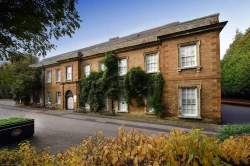
The Canal Museum Stoke Bruerne is a unique museum dedicated to Britain’s canal heritage, located in a historic canal village along the Grand Union Canal. Housed in a Grade II listed corn mill, it offers an immersive experience into life on the waterways. With interactive displays and scenic surroundings, it is a great destination for families and history enthusiasts.
Visitors can explore three floors of exhibits showcasing canal life, dress up in traditional boaters’ costumes and try activities like creating canal art designs. Outdoor attractions include walking along the towpath, exploring the Woodland Walk, watching wildlife, pond dipping, and seeing historic narrowboats like the ‘Sculptor’, as well as nearby locks and the Blisworth Tunnel. Additional experiences include boat trips, picnic areas, a café, gift shop and exploring the charming canal-side village.
Entry to the museum is free, while parking costs £3 for up to 4 hours or £5 for the full day.
The Canal Museum Stoke Bruerne offers a fascinating and interactive journey into Britain’s canal history. With its mix of indoor exhibits, outdoor exploration and scenic views, it provides an enjoyable experience for all ages. It is an ideal place to learn, relax and experience the charm of the country’s waterways.
Features
- Free
- Host birthday parties: No
Features
Immerse yourselves in the treasure trove that is our museum, full of interactive displays and collections to bring to life what it was like to live and work on Britain's canals. Take a stroll along the towpath near Blisworth Tunnel, and the Woodland Walk, with its wire sculptures. Enjoy watching the wildlife, do some pond dipping, and see colourful narrowboats.
- Inside the museum: Immerse yourself in the sights, smells and sounds of life on the canals in former times, dress up in boaters’ costumes and have a go at creating your own roses and castles, the iconic decoration only seen on the English canals. Visit the museum's narrowboat ‘Sculptor’, moored up outside. Built in 1935 for the Grand Union Canal Carrying Company, Sculptor started life carrying general cargo, such as cotton, wheat and coal. During World War 2, she was in action in London as a fireboat, putting out fires. Before she retired in 1984, Sculptor was still in use as a maintenance boat.
- Outside the museum: The museum is set in the picturesque village of Stoke Bruerne, containing a flight of locks, a blacksmith’s forge, and the 200-year-old southern portal of the almost two-mile-long Blisworth Canal Tunnel. Can you spot the site and entrance into a filled-in boat dock, the stables where the boat horses used to rest and, the hut where the leggers used to wait to walk or ‘leg’ the boats through the tunnel? A short walk down the lock flight will take you to a nature reserve which once contained brickworks and, where there was once an old dock for boats to load the bricks used to build the canal and tunnel. A bit further on is a dipping platform.
- Designated museum collection: Designated for its national importance by Arts Council England. Most of our museum collection is housed within the National Waterway Museums at Ellesmere Port and Gloucester Docks. However, you can also find important, treasured items here at the Canal Museum as well as at the [Anderton Boat Lift Visitor Centre] and Standedge Tunnel. The collection forms the most comprehensive collection of artefacts that tell the story of Britain’s canals and navigable rivers over the last 300 hundred years. The collection consists of over 12,000 objects – including 68 historic boats and the national waterways archive.
- Where does the water come from?: The water in the Grand Union Canal at Stoke Bruerne has two main sources. From the north {upstream) water is mainly supplied by Drayton and Daventry Reservoirs on the Braunston Summit, From the south (downstream) water is pumped up from the River Tove and the River Great Ouse. Pumping from the rivers is strictly controlled to maintain river ecology. Pumping uses electricity and is expensive so using reservoir water is prioritised.




 5.12 miles