History of Science Museum

History of Science Museum, Broad Street, Oxford, UK
1-99 Years

Description

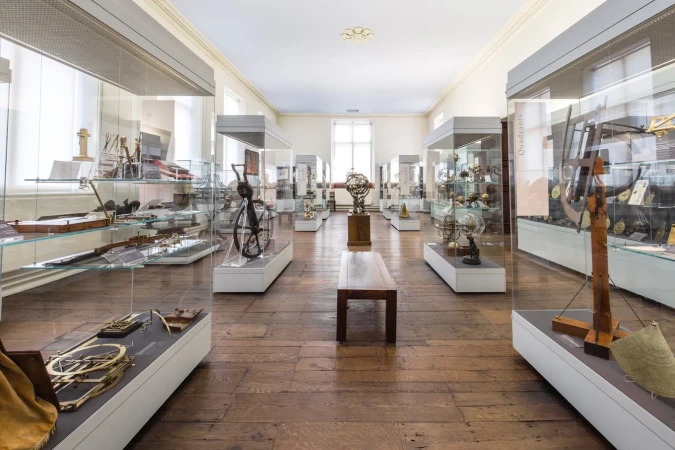
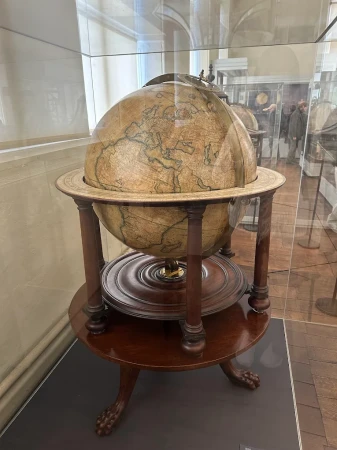
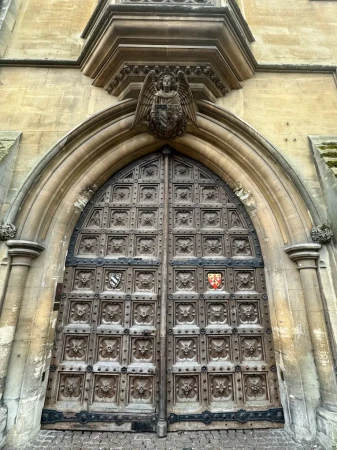
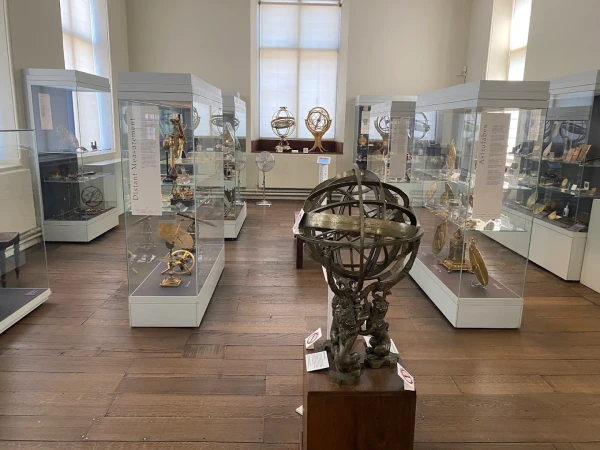
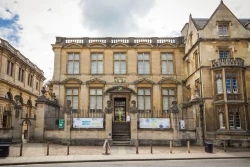
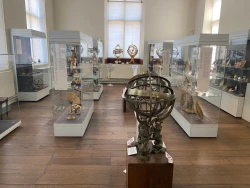
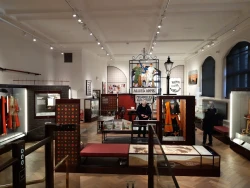
The History of Science Museum in Oxford is home to an incredible collection of early scientific instruments from across the globe. It is widely considered one of the best things to do with kids in Oxford because it is a museum category attraction that reveals the origins of modern technology through beautiful and bizarre inventions. Housed in the world's oldest surviving purpose-built museum building, it offers a fascinating look at how humans have tried to measure the stars and time.  

A visit to this world-class collection is exceptionally light on the wallet for families. General admission to the permanent galleries is completely free for all visitors. While there is no entry fee, the museum often hosts specific family workshops and weekend events that may require a small donation or a low-cost ticket to cover materials.

If you are looking for the best place for a day out with family and kids that sparks curiosity about space, math, and discovery, this is it. It provides a unique educational day out where children can see the "ancestors" of their smartphones and tablets. The museum is a perfect indoor spot for a rainy day, offering three floors of discovery right in the centre of the city.

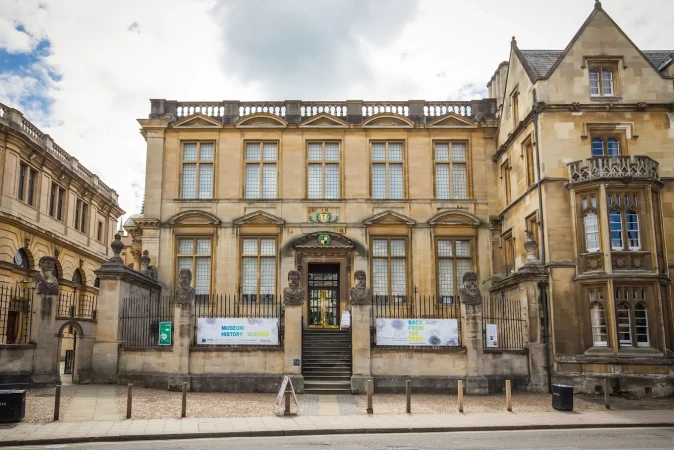
Features

  • Free
  • Host birthday parties: Yes

Features

Key Features

  • Interactive Exhibits: The museum features interactive exhibits such as digital touchscreens that let you "operate" a virtual astrolabe to find the stars.
  • Educational Day Out: With its links to the University of Oxford, it provides a high-quality educational day out covering physics, astronomy, and the history of medicine.
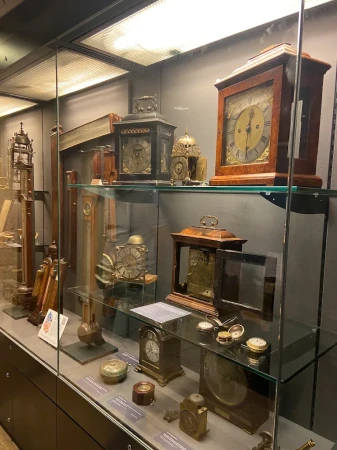
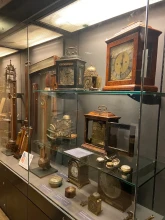
  • Sensory Play: Visual sensory play is found through the intricate brass designs and ticking mechanical clocks that fill the galleries.
  • Family Trails: Free printed trails are available at the entrance to guide children through the "highlights" using puzzles and sketches.

Top 5 Highlights

  • Einstein’s Blackboard: This is a must-see for older kids. It is the actual blackboard used by Albert Einstein during a lecture in Oxford in 1931, still covered in his chalk equations.  
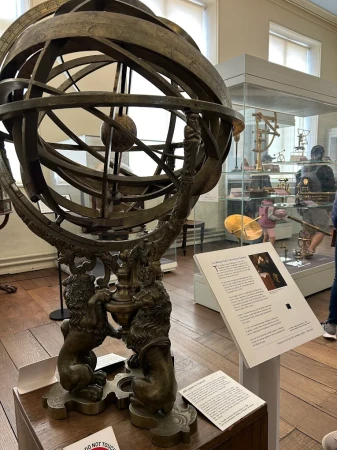
  • The Astrolabe Collection: The museum has the largest collection of these "handheld computers" in the world. They are visually stunning brass discs used by ancient travellers to navigate by the stars.
  • The Marconi Collection: See the original equipment used by Guglielmo Marconi to develop the first wireless radio. It’s a great way to show kids how people communicated before the internet.
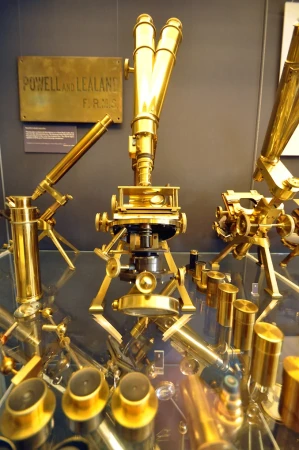
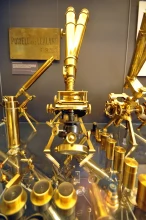
  • The Giant 18th-century Microscope: This ornate, golden-coloured instrument looks like a piece of art. It helps children understand how scientists first started to look at tiny cells and germs.
  • Lewis Carroll’s Photographic Equipment: The author of Alice in Wonderland was also a scientist and photographer. Kids enjoy seeing the bulky cameras he used to take his famous portraits.

Facilities

  • Toilets: Located on the basement level, including accessible facilities.
  • Buggy Parking: Space is very limited due to the historic nature of the building; carriers are recommended.
  • Food & Drink: No café on-site, but there are dozens of coffee shops on Broad Street.

Pro-Tips for Parents

  • Take the Lift: The building has a very small lift that serves all three floors, which is helpful if you are visiting with someone with limited mobility.
  • Quiet Time: Saturday mornings are usually much busier than Sunday afternoons.
  • Download the App: Check the museum website before you go for digital guides you can use on your own phone.

Frequently Asked Questions

  • Is it worth it for toddlers? The museum is best for children aged 7 and up, though toddlers will enjoy the shiny brass instruments and the basement displays for a short visit.
  • How long does a visit take? A thorough visit usually takes around 60 to 90 minutes.
  • Where is the best place to park? Avoid driving into the city centre; the Park & Ride buses drop you just a few minutes away from Broad Street.
  • Are there cheap indoor activities in Oxford? The History of Science Museum is one of the top free indoor activities in Oxford, offering high-quality learning without a ticket fee.

The Visitor Verdict: What Parents Really Think
What Visitors Love

  • The "handheld" feel of the museum; it isn't so big that it becomes exhausting for children.
  • Seeing "real" items used by famous people like Einstein or Queen Elizabeth I makes history feel immediate.
  • The staff are often student volunteers who are very passionate and great at explaining complex science in simple terms.

What Visitors Don't Like

  • The narrow staircases can be difficult to navigate when the museum is crowded.
  • There is a lack of "run-around" space, so it is better for children who can focus on looking at objects.

What to see

Detailed Inventory

  • Einstein’s Blackboard: The famous 1931 lecture board.
  • Marconi’s Wireless Apparatus: Early 20th-century radio transmitters.
  • The Persian Astrolabe (17th Century): An intricately engraved brass astronomical tool.
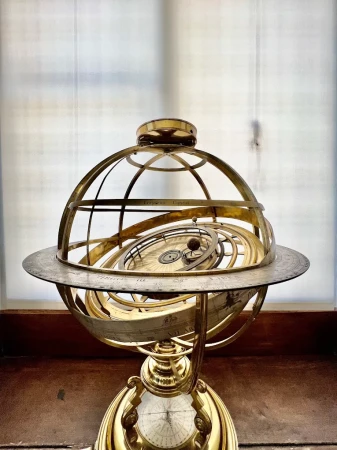
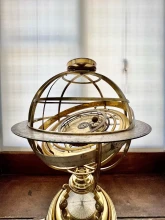
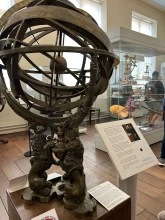
  • The 'Great Orrery': A large mechanical model of the solar system from 1733.
  • The First Penicillin Culture: [Information not available on official website].
  • Elizabeth I's Sundial: A personal timekeeping device made for the Queen.
  • The Black-Draught Medicine Chest: A Victorian-era portable pharmacy.
  • Thomas Newcomen's Steam Engine Model: A small-scale version of early industrial tech.
  • The 'Star of the East' Astrolabe: A rare 10th-century instrument from the Islamic world.
  • Newton’s Telescope Replica: A model showing how the famous scientist viewed the moon.

Beyond the Main Attraction

  • The Bodleian Library: Located right next door, it’s a stunning spot for a quick photo and a walk through the Old Schools Quadrangle.
  • Sheldonian Theatre: Another iconic Oxford building just steps away, which sometimes offers family-friendly concerts.
  • Blackwell’s Bookshop: A short walk to Broad Street's legendary bookshop, which has a massive children's section in the basement.
  • The Covered Market: A 5-minute walk away for a snack or a milkshake at one of the famous independent stalls.

New for 2026

  • The 2026 'Science of Sound' Exhibit: A brand-new temporary installation for 2026 exploring how historical instruments were used to measure and create noise.
  • Refreshed Basement Gallery: A 2026 update to the lower level featuring clearer labels and more accessible displays for young children.

Events: For more upcoming events please visit here.

Price

Price: Free

Birthday Parties

Offer Birthday Parties: Yes

Birthday Party Details

The History of Science Museum does not currently offer dedicated children's birthday party packages. Contact Email: [email protected]

Tuesday-Sunday: 10-5 pm

Address: History of Science Museum, Broad Street, Oxford, UK

Post Code: OX1 3AZ

Council: Oxford

County: Oxfordshire

  • By Bus: Most city centre buses stop at Magdalen Street or Broad Street.
  • By Train: A 12-minute walk from Oxford Railway Station.
  • By Car: Use postcode OX1 3AZ.
  • Parking: No on-site parking. Use the Seacourt or Pear Tree Park & Ride for the easiest access to the city centre.

5.00

0 Reviews

Rating breakdown

5
80% Complete (danger)
0
4
80% Complete (danger)
0
3
80% Complete (danger)
0
2
80% Complete (danger)
0
1
80% Complete (danger)
0

Get the best blog stories into your inbox!