Description
Cosmeston Lakes Country Park & Medieval Village is a large country park in Wales covering over 100 hectares of land and water. It combines natural landscapes with a reconstructed medieval village, offering both outdoor exploration and historical experiences. The park is designed for visitors of all abilities to enjoy nature, wildlife and heritage in one place.
Visitors can explore habitats including lakes, ponds, woodland, meadows, reedbeds and coastal environments, along with wildlife such as waterfowl and diverse plant species. Attractions include the Cosmeston Medieval Village set in the year 1350 with buildings like the Reeve’s Buildings, Baker’s House, Tithe Barn and Swineherd Cottage, as well as Dragonfly Pond, Wildlife Pond, Cogan Wood, Curiosity Trail, children’s play area, outdoor classroom, Sully Brook and Conservation Lake. A café and accessible paths are also available.
Entry to both the country park and the medieval village is free for general visitors, though there are mandatory charges for parking.
Overall, Cosmeston Lakes Country Park & Medieval Village offers a unique mix of nature, wildlife and history in one destination. With accessible walking routes, educational features and family-friendly attractions, it provides an enjoyable experience for all ages. It is an ideal place to explore the countryside while discovering a recreated medieval community.
Features
- Free
- Host birthday parties: No
Features
Cosmeston Lakes Country Park
- Cosmeston has a variety of habitats covering over 100 hectares of land and water, some areas designated a Site of Special Scientific Interest protecting the rare and diverse plant and animal species.
- The country park has a variety of habitats covering over 100 hectares of land and water, with some areas designated a S.S.S.I (Site of Special Scientific Interest) protecting the rare and diverse plant and animal species.
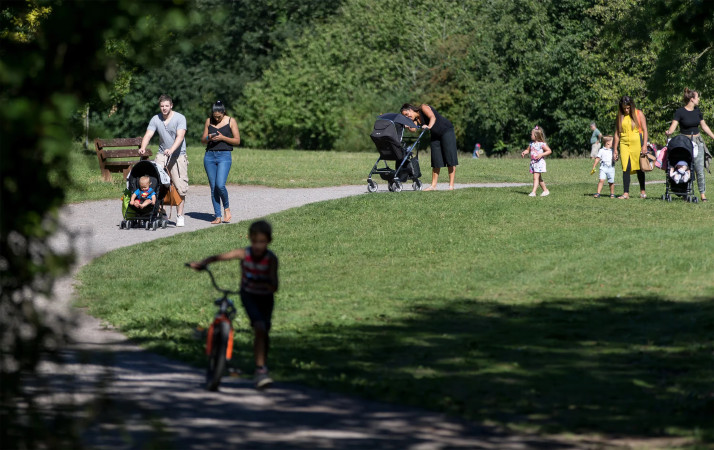
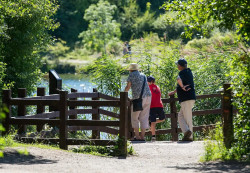
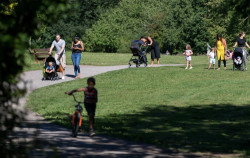
- The park opened to the public in 1978 and today Cosmeston Lakes Country Park is a haven for local wildlife. Its flat, even paths are easily accessible to everyone and many people visit again and again.
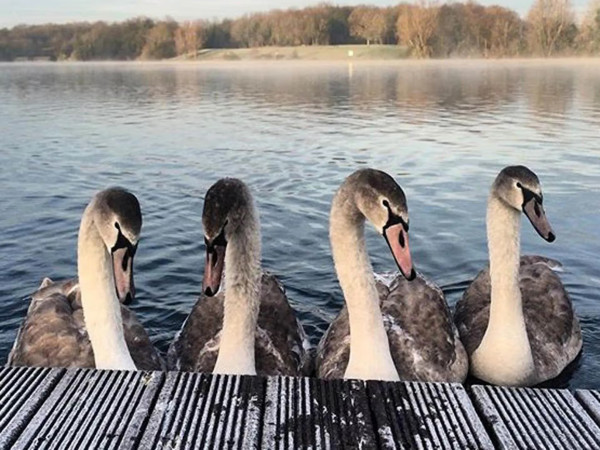
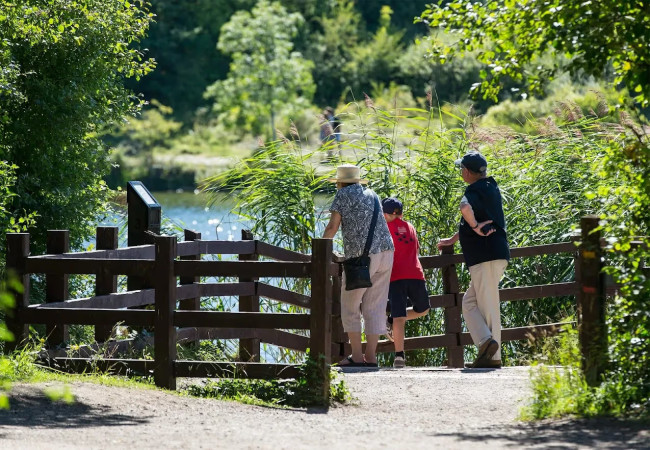
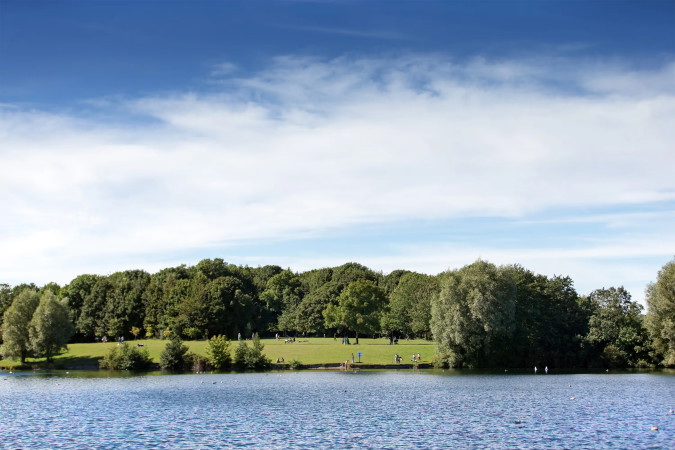
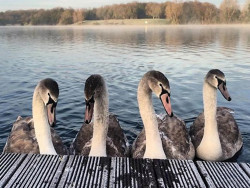
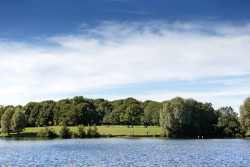
- The two flooded quarries have become the main lakes at Cosmeston. The 12 ha of open water attracts large flocks of waterfowl which include impressive numbers of mute swans, mallards and diving birds such as the great crested grebe.
- The two former tip sites to the north were carefully landscaped to form meadows and open grassland. The woodland, meadows and wetland habitats at Cosmeston Lakes are all sensitively managed.
- On the western side are the Dovecot Fields which are separated by Sully Brook running through the middle. It is here that the remains of a medieval dovecot can be seen.
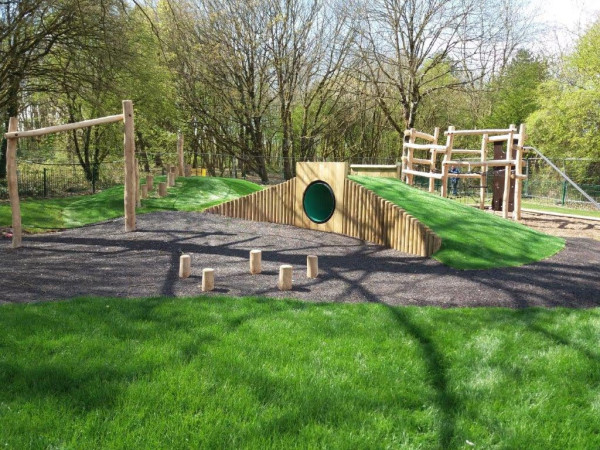
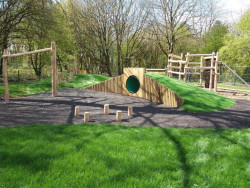
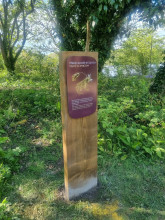
- In 2021 a fabulous new children's play area was completed alongside which you will find picnic benches and refreshments. Look out for the Curiosity Trail for kids and the totem listening point and match-finder game hidden in the woods.
Habitats and Wildlife: The Vale of Glamorgan's coast and countryside hold an amazing diversity of flora and fauna, making it one of the richest areas of biodiversity and natural beauty in south wales. The landscape ranges from plunging cliffs to rolling farmland and includes a range of dynamic ecosystems some left wild and many sensitively managed by the Ranger Service.
- Coastal Grassland: We have both calcareous and neutral grassland on the coast rich in plant life specific to soil type. Our rangers are busy managing these areas to encourage the growth of a diverse range of flora that would otherwise be smothered by scrub.
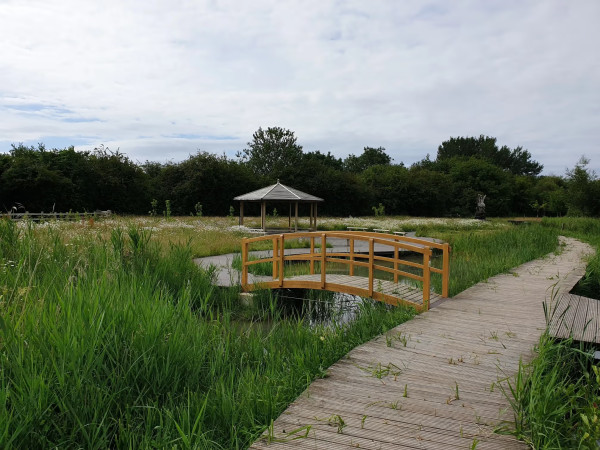
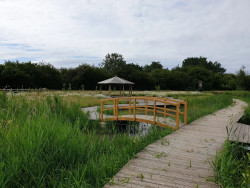
- Reedbeds: To maintain this precious habitat the Ranger Service remove scrub vegetation and rotationally manage the reedbeds to attract as many wildlife species as possible and who knows, we may attract the rare Water Vole to Cosmeston in the near future.
- Meadows: The grassland meadows at Cosmeston are cut once a year after the flowers have gone over and the cuttings removed, the dovecot fields are lightly grazed by cattle from October through to March, then also cut after the flowers have gone over and the cuttings removed. This management regime has helped to encourage growth and species diversity year on year.
- Lakes and Ponds: The two flooded quarries have become the main lakes at Cosmeston over 12ha in size with many smaller ponds found throughout the country park for you to discover.
- Woodland: Along the coast woodlands are scarce because of the harsh environment. Trees are often stunted due to the salt winds. Where woodlands are found there is often a good ground covering of spring flowers such as bluebells and wild garlic.
- Rocky shores: Beaches on the coast range from rocky shores to expansive areas of sand. Discover abundant marine life adapted to the harsh intertidal conditions of our exposed shores such as sea anemones, barnacles, periwinkles and many more. Dunraven Bay is a good beach for families to explore and search for edible and shore crabs.
- Dunes: Merthyr Mawr National Nature Reserve is part of the Glamorgan Heritage Coast now managed by Natural Resources Wales. Its spectacular sand dunes are rated the second highest in Europe. This area is rich in plant life. It is also an area of special interest for fungi like the highly prized Morel.
- Cliffs: The majority of the Glamorgan Heritage Coast cliffs are made up of Liassic limestone and shale. The cliffs are used by nationally important bird species.
- Farmland: Most of the land within the Glamorgan Heritage Coast designation is privately owned. From Aberthaw to Llantwit major farmland is mostly arable and mixed farming from Llantwit Major to Southerndown.
- Commons: These include Ogmore Common and areas adjacent to the Glamorgan Heritage Coast.The main management is sheep grazing and some vegetation cutting.
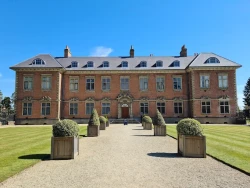
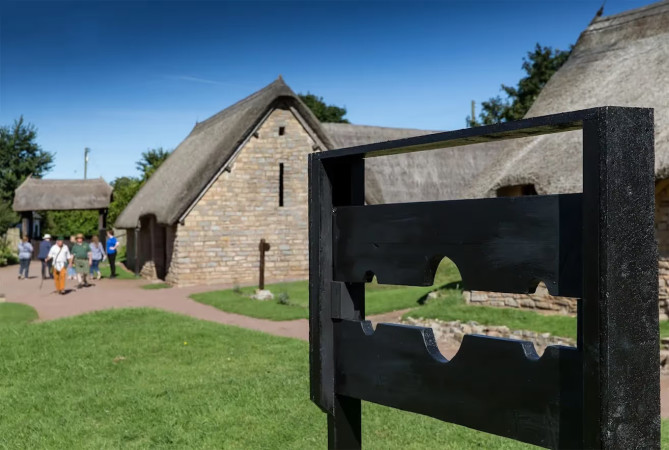
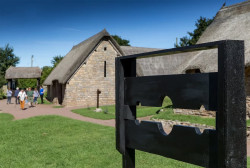
Cosmeston Medieval Village: During the development of Cosmeston Lakes Country Park in 1978, excavations uncovered the remains of a community over 600 years old, and so began a unique archaeological project to restore the village of Cosmeston. The medieval village is set in the year 1350. It was a fascinating time in history as the village had been given a new boost of life by the de Caversham family.
- The Reeve's Buildings: The farm of Walter the village reeve is a series of buildings rented from the lord of the manor a cottage, barn and byre all constructed around an open courtyard and with adjacent gardens. Although it cannot be certain that this is the reeve's home, the property is of such a standard that a villager of high status would have lived there. The main of the village reeve role would have been to ensure that the village agriculture was running smoothly and that the peasants were looking after their crops and not encroaching onto their neighbours' property.
- Jake’s Cottage: This simple, rectangular style of building would have housed a less well-off peasant member of the community. There were two types, 'customary' tenants or 'free' villagers, who were eligible to sit on a jury in the manor courts and fill official positions such as reeve or bailiff. The 'villein' tenants were 'unfree' villagers who were tied to the land and bound to the village.
- The Baker's House and Village Ovens: The village baker was a man of substance who rented a building in which he produced his good in ovens and sold his baked goods. Only the baker, having paid the lord of the manor rental for the ovens, was allowed to bake bread. This did not make him popular with the rest of the villagers. Next to the baker's cottage is a small building constructed around two ovens. One is for baking bread and the other is a malting oven for roasting barley to make ale, as the bakers cottage is also the village tavern.
- The Tithe Barn: The village tithe barn is where taxes were recorded and stored by the village priest before being moved on for sale or distribution to various clergy. Of all the medieval taxes, the tithe had an impact on most. Everything that was grown, produced or made was subject to a 10 per cent tax by the church.
- The Swineherd Cottage: In a village environment, the swineherd could find themselves responsible for most of the village pigs as they foraged through the surrounding woodland. The nature of the swineherd's work is reflected inside his house, which is a combination of home, pig yard and butcher's. Outside is a small run and pigsty for when the pigs are brought in from the woods.
- The Herbalists Hovel and Herb Garden: During the original excavations the archaeological team discovered the ‘shadow’ of a structure located near the North end of the village. This feature has always been known as building ‘J’ Nobody has ever known much about its use or reason for being. This has led to staff onsite deciding to construct a ‘wattle and daub’ structure to recreate a possible example of the building and its use.


 6.12 miles