Description
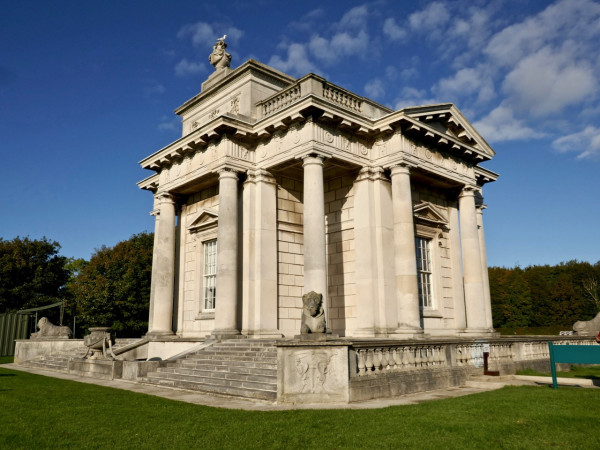
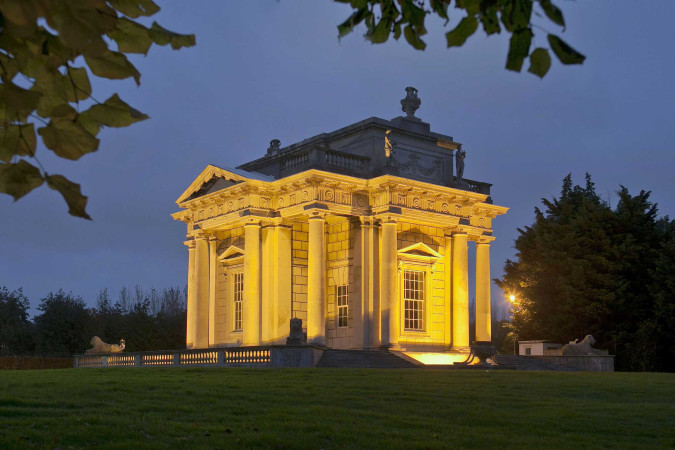
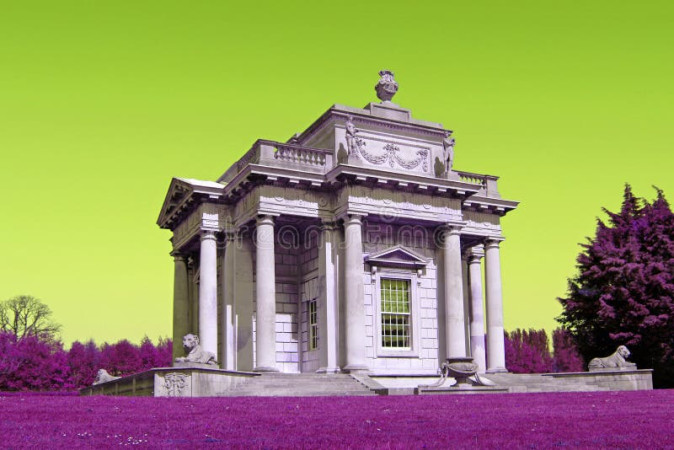
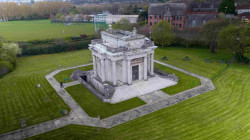
Casino Marino is a remarkable neoclassical garden temple that offers a unique historical adventure for families visiting the northern suburbs of Dublin. Located in the Marino district, this miniature architectural masterpiece is filled with hidden doors, optical illusions, and secret passages designed to surprise visitors. It is widely considered one of the best things to do with kids in Dublin for those seeking an educational and fascinating indoor day out.
Admission prices start from £0 for young children, with standard adult entry costing £5.00 and family tickets available for £13.00. These affordable rates make it easy for families to experience world-class historic craftsmanship without spending a fortune.
If you are looking for the best place for a day out with family and kids that combines creative architecture, optical puzzles, and Irish history, this historic pleasure house is a perfect choice. The compact building keeps children engaged as they try to spot the clever design tricks used to hide sixteen rooms inside what looks like a tiny single-roomed structure.
Features
- Paid
- Host birthday parties: No
Features
Key Features
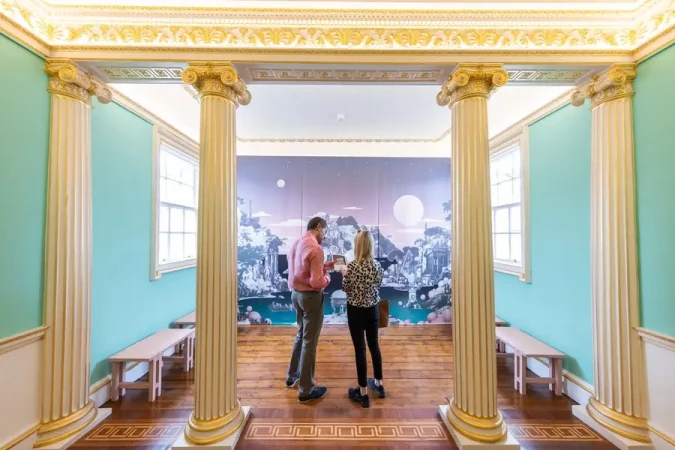
- Clever Architectural Illusions: Large exterior windows and dummy doors disguise a complex layout of sixteen beautifully decorated rooms.
- Educational Day Out: Tailored guided tours introduce school-aged children to neoclassical design, geometry, and eighteenth-century history.
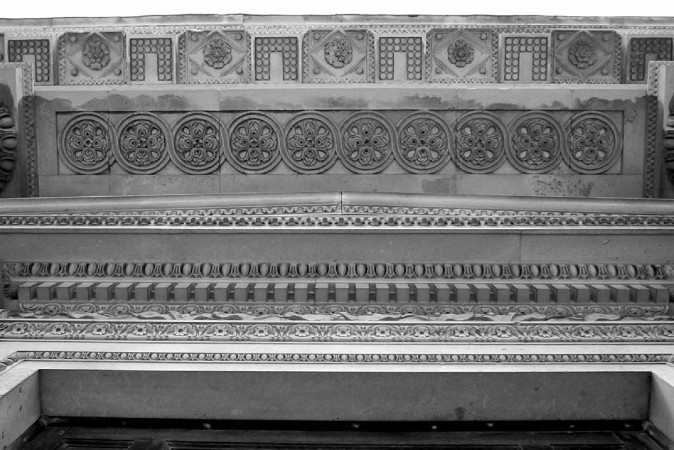
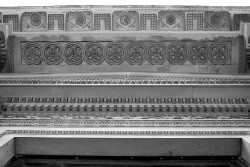
- Intricate Internal Craftsmanship: Highly detailed plasterwork, rare timber marquetry floors, and hand-carved stone ornaments fill every room.
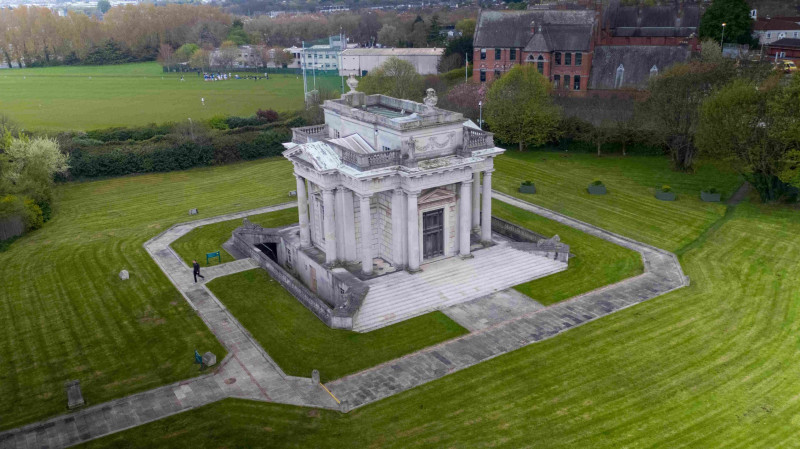
- Scenic Island Ground Layout: The temple sits on peaceful green grounds just three miles north of the bustling Dublin city center.
Highlights
- The Illusionary Exterior: From the outside, the temple looks like a compact, single-room square building with a single large door and window. Kids will love learning that the massive front door is actually a fake, and entry is gained through a smaller side door. It provides a fantastic introduction to how Georgian architects used visual tricks to surprise their guests.
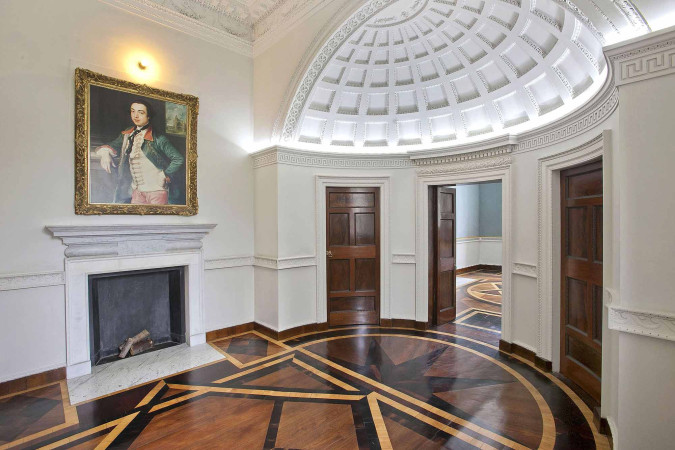
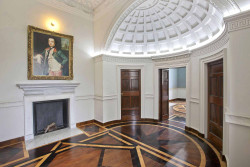
- The Entrance Hall: The formal entry space features a grand portrait of James Caulfeild, the first Earl of Charlemont, who ordered the creation of this pleasure house. Children can observe the stone carvings and hidden panel entries that lead off into the deeper parts of the building. It sets an exciting, mysterious tone for the rest of the indoor tour.
- The Zodiac Room: This remarkable space features an exquisite domed ceiling decorated with astrological symbols modeled around its circular base. Young stargazers can inspect the patterns representing the night sky and try to identify different star signs. The vibrant room highlights the immense creativity and artistry of the eighteenth century.
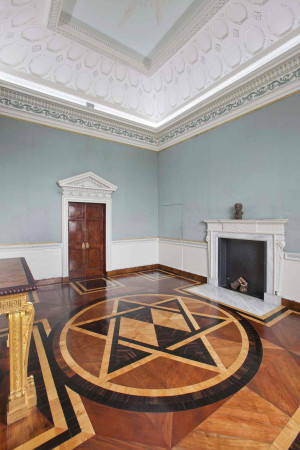
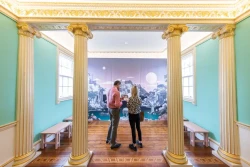
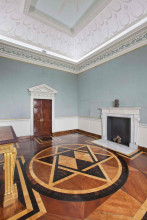
- The Blue Saloon: Known for its exceptional artistry, this room contains an elaborate hardwood parquet floor with intricate inlaid geometric patterns. Children can admire how the light interacts with the wood and notice the delicate plasterwork decorating the ceiling. It serves as an excellent visual example of historic interior styling.
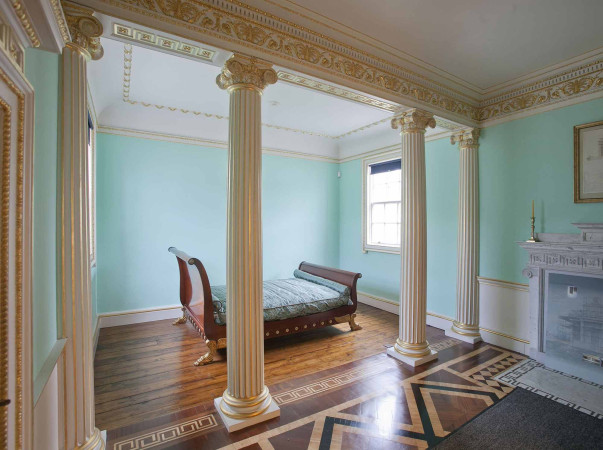
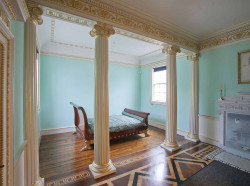
- The State Bedroom: This highly decorated room shows the luxurious standards built into what was essentially an aristocratic garden gazebo. Parents can explain how the Earl used this space to entertain important friends away from his main residence. The intricate furnishings and hidden structural features stir up the imagination of young history enthusiasts.
Beyond the Main Attraction
- National Botanic Gardens (Glasnevin): A spectacular, free-to-enter historic green space featuring grand glasshouses and family walking paths located 3km away.
- St Anne’s Park and Red Stables: A massive public park boasting a children's playground, a walled rose garden, and a weekend food market.
- Clontarf Promenade and Bull Island: A nearby coastal walking route offering views of Dublin Bay and a dedicated nature reserve for bird watching.



 3.09 miles