British Optical Association Museum

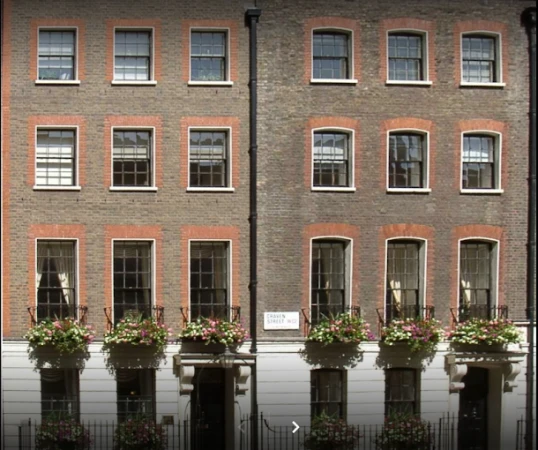
British Optical Association Museum, Craven Street, London, UK
1-99 Years

Description

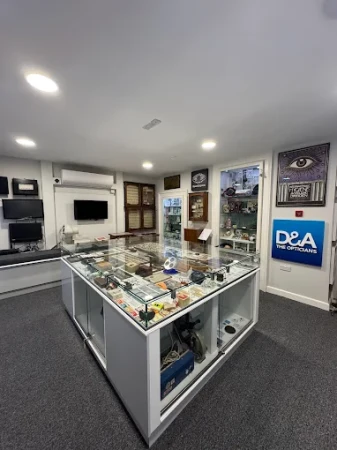
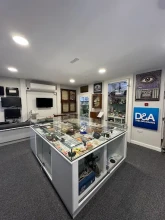
Welcome to the British Optical Association Museum at The College of Optometrists, the museum of the eye care professions. Founded in 1901, it is the oldest museum of ophthalmic optics (optometry) in the world and is celebrating its 125th anniversary in 2026. 

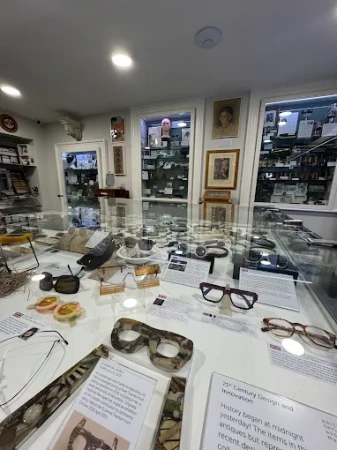
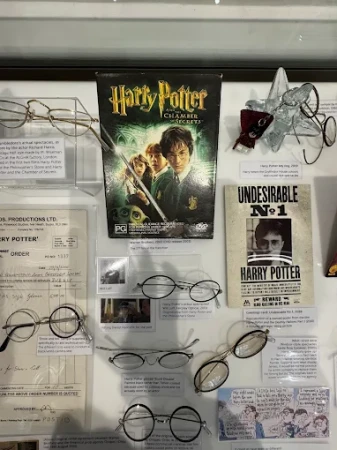
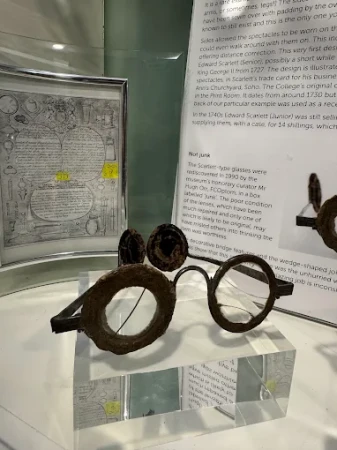
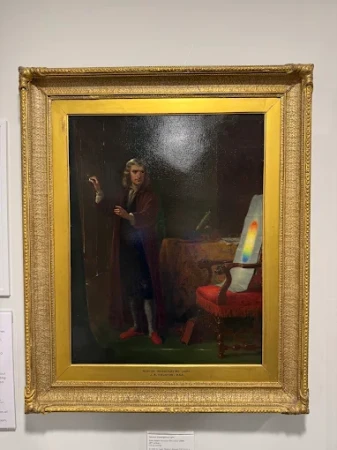
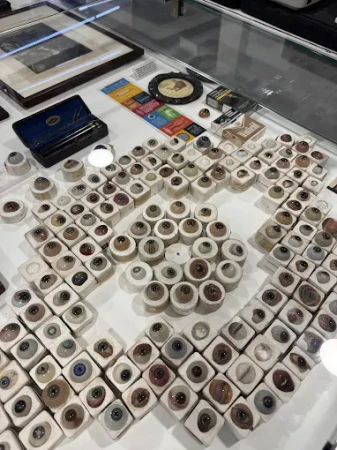
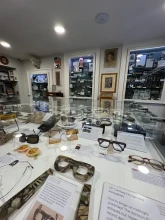
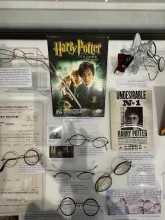
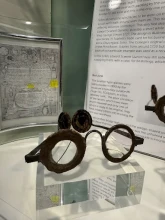
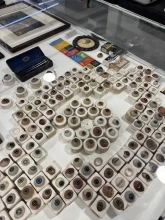
Our remarkable collection comprises over twenty eight thousand outstanding items, including historic vision aids, spectacle frames and lenses, as well as diagnostic and sight-testing equipment, protective shades and goggles and gruesome models of ocular disease. We like to say that it’s the only museum where the exhibits look at you! 

Admission is Free, but donations welcome. If you are looking for Best place for day out with kids and families then this is the perfect destination offering fun, adventure, and unforgettable memories for everyone.

Features

  • Free
  • Host birthday parties: No

Features

  • The Museum: Whether you are working in the profession, a researcher, an eyewear fashionista, or just someone who enjoys visiting museums, we welcome the fact that you want to visit us and encourage you to make an appointment. All the information you need to plan a visit is detailed below, but you can call us to discuss your needs if you prefer.
  • What we do: The museum’s role is to promote the optometry profession and raise public awareness of its past and present importance to society, through conserving and caring for our collections, as well as our exhibitions, talks and presentations and learning and research services.  
  • Collections: Since 1901, we have collected the material heritage of opticians; the clinical equipment used in-practice, and spectacles, sunglasses, contact lenses and other devices they have prescribed and supplied to aid and protect patients’ eyes. We now maintain a combined museum collection and archive, comprising over twenty eight thousand historical items relating to the diagnosis and correction of refractive error, visual impairment and ocular disease.  
  • The history of spectacles: The earliest form of spectacles are generally agreed to have been invented in Northern Italy in the thirteenth century. Over hundreds of years of innovation and refinement, they have been perfected into the stylish and functional designs you see today worn by millions of people to correct their eyesight. Here's a look at the key moments that defined the history of spectacles.
  • The history of contact lenses: Introduced at the end of the 1880s, the first contact lenses were large, rigid and complicated to make and insert. Many patients could only bear to wear them for a couple of hours before the irritation became too great. The drawn out fitting procedure and need to maintain proper hygiene was both expensive and inconvenient and disincentivised greater uptake. The first functional contact lenses were created using blown glass to cover the entire eye. Over time they reduced in size so as to cover just the cornea, until the invention of new materials negated the need to minimise the amount of contact.
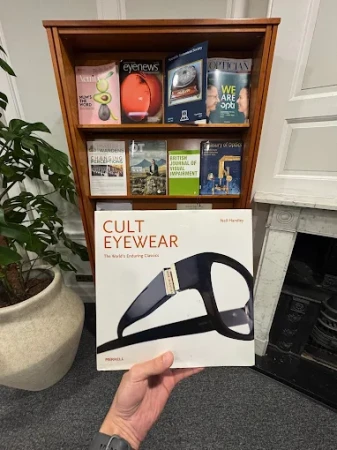
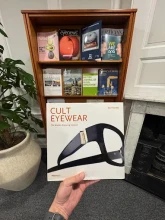
  • The history and fashion of sunglasses: Sunglasses are an essential accessory today, but their history is far more recent than many people realise. While some manufacturers attempt to trace sunglasses back to ancient times, their development as we know them today is relatively modern. Let's explore how sunglasses evolved from simple protective eyewear to a global fashion statement.
  • Craven Street ghosts: Is The College of Optometrists' head office haunted? Some visitors claim to have seen more than just the spectacles and lenses on display.
  • Exhibitions: The Museum provides a number of permanent exhibitions around the College building. These are constantly refreshed in order to show case new acquisitions or to highlight collections with relevance to current issues of concern. We also try to have at least one temporary exhibition running at any particular time. These may reflect significant anniversaries or fresh approaches to interpreting the collections, for example through an artist-in-residence. 

Facilities

NA

Price

Price: Free

Birthday Parties

Offer Birthday Parties: No

Monday - Friday: 10.00am-5.30pm.

Address: British Optical Association Museum, Craven Street, London, UK

Post Code: WC2N 5NG

Council: Westminster

County: Greater London

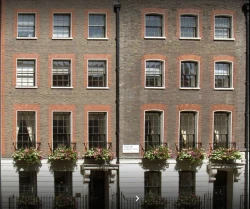
Location: British Optical Association Museum, The College of Optometrists, 42 Craven Street, London, WC2N 5NG.

5.00

0 Reviews

Rating breakdown

5
80% Complete (danger)
0
4
80% Complete (danger)
0
3
80% Complete (danger)
0
2
80% Complete (danger)
0
1
80% Complete (danger)
0

More Day Outs in City of Westminster

Get the best blog stories into your inbox!