Battersea Park

Description

Battersea Park is one of London’s finest and most loved green spaces, set along the south bank of the River Thames in South West London. Covering 200 acres, this historic Victorian park was created between 1854 and 1870 and offers a peaceful escape right in the heart of the city. It is a popular destination for families, walkers, joggers, and visitors looking to relax or enjoy outdoor activities.

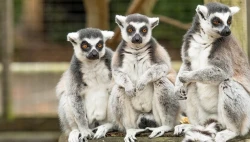
The park features a wide range of attractions including Battersea Park Zoo, Go Ape treetop adventure, two children’s playgrounds, trim trail, cycle hire, boat hire on the lake, and Putt in the Park crazy golf. It is also home to beautifully designed gardens such as the Winter Garden, Sub-Tropical Garden, Old English Garden, Russell Page Garden, Rosery Garden, Herb Garden, and Promontory Garden with river views. Visitors can enjoy themed walks including garden walks, history walks, sculpture walks, lakeside walks, memorial walks, and tree walks, with over 4,000 trees and many listed heritage features spread across the park. 

Entry to Battersea Park is completely free (£0.00) and the park is open daily from around 6:30am until 10:30pm. Individual attractions inside the park, such as Battersea Park Zoo, Go Ape, boat hire, cycle hire, and mini golf, are ticketed separately and priced by the operators, with costs varying depending on the activity and season.

Battersea Park offers something for everyone, whether you want a quiet walk, family fun, or an active day outdoors. With its mix of gardens, wildlife, sports, play areas, and riverside views, it works just as well for short visits as full day outings. It is an excellent free attraction in London and a must-visit green space for locals and tourists alike.

Features

  • Free
  • Host birthday parties: No

Features

Gardens

  • Winter Garden: Translating the vision of a Winter Garden from concept to reality took six years and the united belief of the Friends of Battersea Park, Dan Pearson Studios and Wandsworth Council in its ultimate success. The Winter Garden is a living memorial to Elaine Hodges, Founder Member and Secretary of the Friends, who did so much to improve the park in her lifetime.
  • Sub Tropical Garden: Battersea Park’s first Superintendent, John Gibson, created the Sub-Tropical Gardens in 1863. The first public Sub-Tropical Gardens in the country, it attracted immediate attention for the show-stopping colours, giant leaves and unusual plants.
  • Old English Garden: The Old English Garden is an oasis of calm, tucked away between the North Carriage Drive and the Cricket Pitches. Benches by the pool benefit from the gentle sounds of the fountains, whilst those around the perimenter offer a private peace.
  • Russell Page Garden: Russell Page (1906-1985) was one of the 20th century’s great landscape architects. He designed gardens throughout Europe and America. Among them are those at the Frick Museum in New York City and the Festival Gardens in Battersea Park.
  • Rosery Garden: Situated near the Queens Circus south east entrance, the Rosery Garden was extensively re-established during the Millennium Restoration.
  • Herb Garden: Situated in the Staff Yard, at the north west corner of the Park, is a hidden gem, the Herb Garden. Maintained by workers from the Thrive Charity, the Herb Garden contains a wide variety of herbs and vegetables. 
  • Promontory Garden: A previously ignored, fenced off and overgrown piece of land adjacent to Albert Bridge is now a place where one can sit and enjoy views along the river. With the help of donations from The Friends of Battersea Park, this formerly area has been transformed into an attractive landscaped garden, with the vision of landscape architect David Keary.

Sculpture

  • 1948 Sculpture Exhibition: Running from May to September of 1948 in the Park, it is hard to underestimate the importance of this exhibition. It included Henry Moore, the Directors of the Tate and National Galleries, Frank Dobson, the then Professor of Sculpture at the Royal College of Art, and Sir Kenneth Clarke, who gave two public lectures about the exhibition. 
  • 1951 Sculpture Exhibition: The 1951 exhibition was held between May and September in the Sub Tropical Garden, featuring forty four pieces by artists including Andriessen, Bill, Butler,, Charoux, Despiau, Dobson, Epstein, Giacometti, Gill, Henning, Hepworth, Lambert, Lipchitz, Maillol, Manzu, Meunier, Moore, Pevsner, Rodin and Vogel.
  • 1960 Sculpture Exhibition: In 1960 the exhibition had forty two pieces on display in the Sub Tropical Garden, and ran from May to September.
  • 1963 Sculpture Exhibition: The fourth major sculpture exhibition was held in 1963. The first three have been dealt with in previous issues of the Review, numbers 50, 59 and 60. By this time over half a million people had visited the Park to see these exhibitions.
  • 1966 Sculpture Exhibition: The 1966 exhibition featured 42 works, and ran from May 20th to the end of September.

Walks

  • Garden Walk: The gardens located in the Park span the time from its inception, through to the contemporary.
  • History Walk: The Park has a long and varied history, with many artifacts still visible. 
  • Heritage Walk: Wandsworth Council maintain a map of heritage places within the borough. The map can be found here. The Park is home to almost twenty listed features, ranging from the entrance gates and the sculptures, to the shelters.
  • Lakeside Walk: A gentle circumvention of the Lake has some surprising points of interest.
  • Memorial Walk: The Park is home to various memorials, ranging from the historic, patriotic to the esoteric. This walk takes in some of the memorials located in the Park.
  • Sculpture Walk: The Park has a rich history of public sculpture, much still visible, but some lost to time.
  • Tree Walk: Home to over 4000 trees, with many unusual, and sometimes champion, trees, the Park is an inner city arboretum.

Other

  • Trees: There are over 4000 trees in the Park, many dating back to the original layout in the 1850s'.
  • Postcards: A popular subject for postcards, and the collection shown here gives an interesting view of how things have changed over the years.
  • History: So much has happened in the Park since openeing in the mid 1800s

Facilities

  • Parking: Parking available. 
  • Food & Drinks: There are a number of places where food and drink are sold in the Park. 
  • Toilets: Toilet available. 

Price

Price: Free

Birthday Parties

Offer Birthday Parties: No

  • Park gates open by approximately 6.30am daily.
  • Park gates closed by 10.30pm daily.

Address: Battersea Park, London, UK

Post Code: SW11 4NJ

Council: London

County: Greater London

  • By Tube: Sloane Square, Victoria or Pimlico.
  • By Train: Queenstown Road Train Station or Battersea Park Train Station. Both are approximately a 10-minute walk to Rosary Gate entrance.

There are three pay and display car parks within Battersea Park:

  • Chelsea Gate
  • Rosery Gate
  • Albert Bridge Gate.

5.00

0 Reviews

Rating breakdown

5
80% Complete (danger)
0
4
80% Complete (danger)
0
3
80% Complete (danger)
0
2
80% Complete (danger)
0
1
80% Complete (danger)
0

Get the best blog stories into your inbox!